



4th Summer School for Youth from the Diaspora and the Region 2026
The 4th Summer School for Youth from the Diaspora and the Region 2026, organized by the Alija Izetbegović Foundation in partnership with the “IN SANA” Association from Germany, with the support of the Office for the Diaspora of the Government of Sarajevo Canton and the Student Center of the Islamic Community in Bosnia and Herzegovina, was successfully held from July 27 to August 2, 2026.
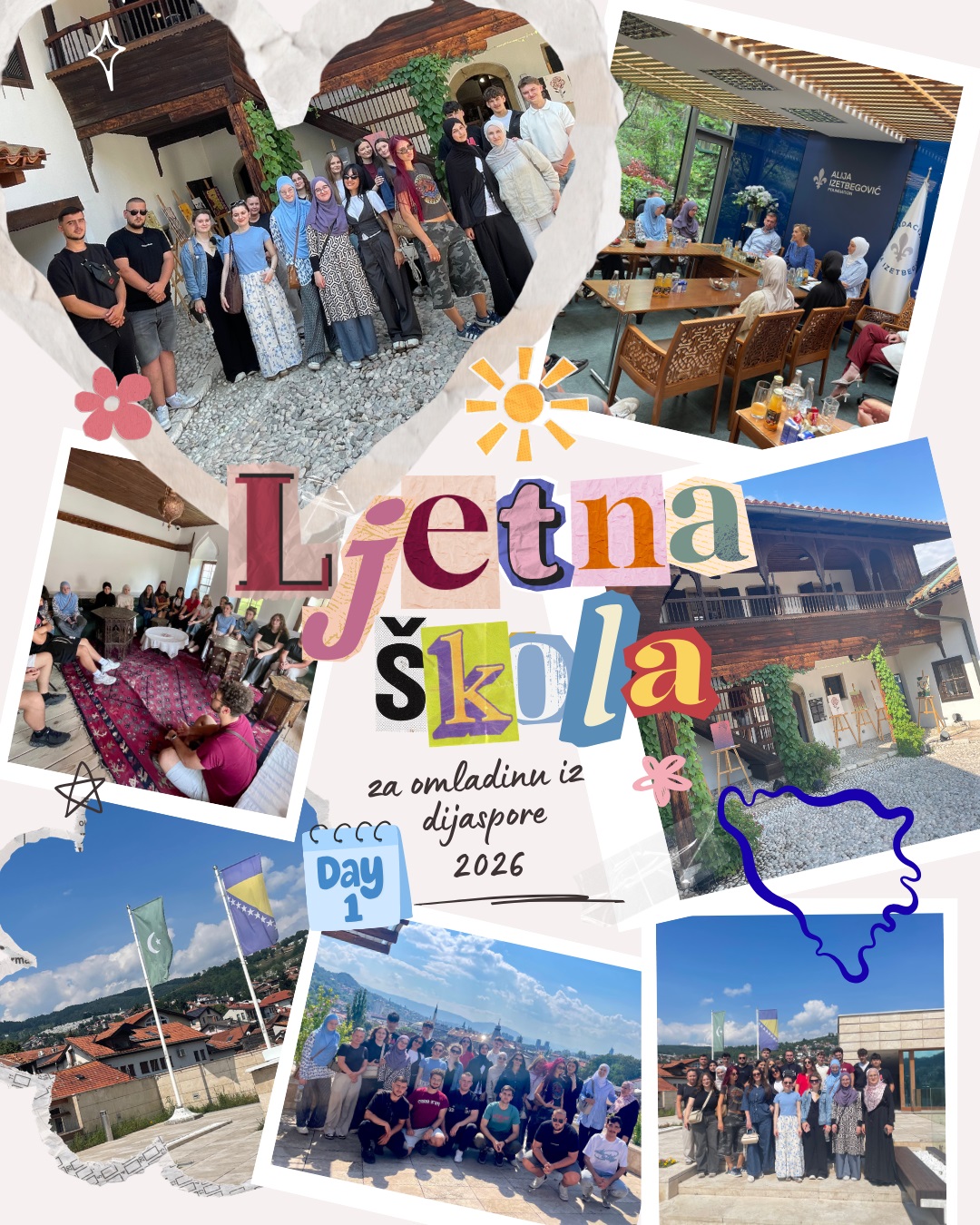
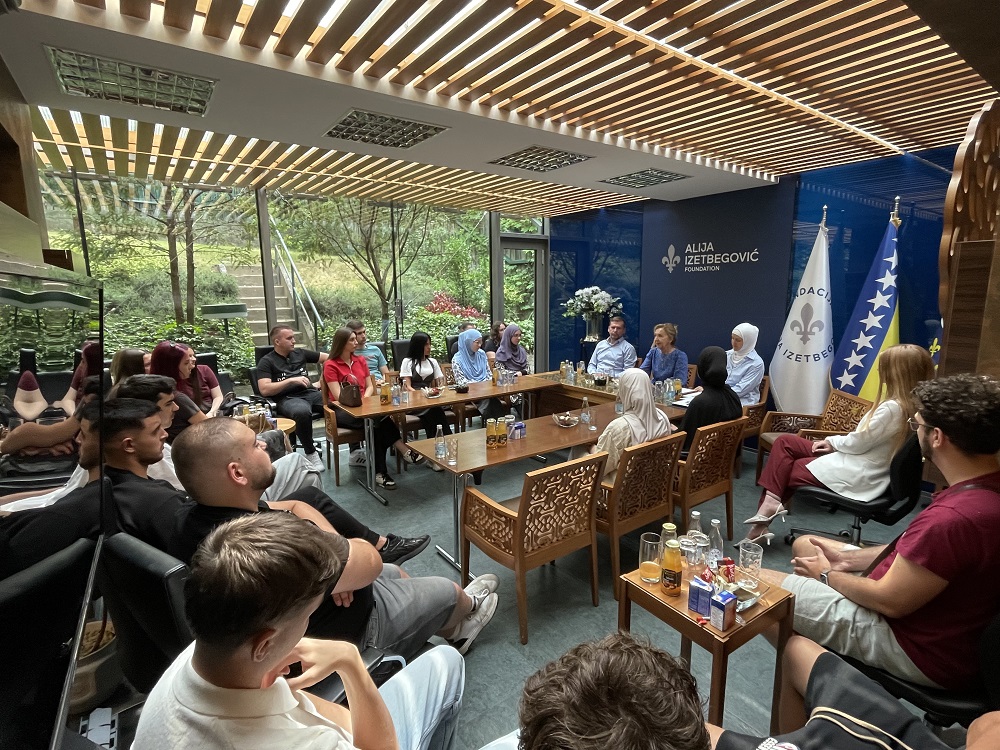
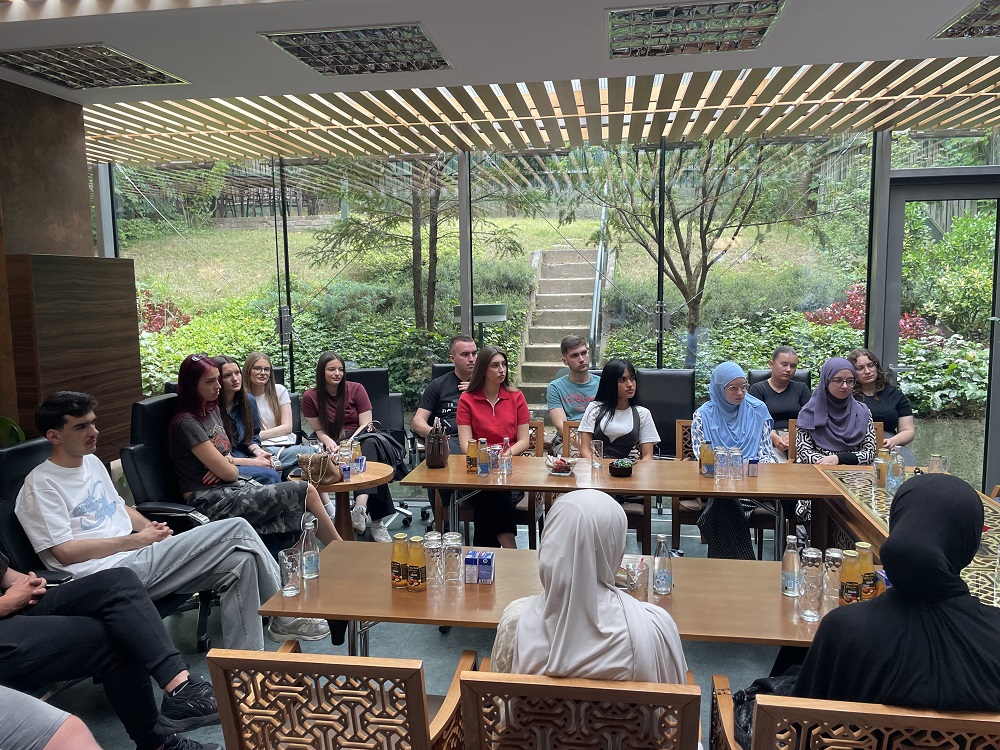
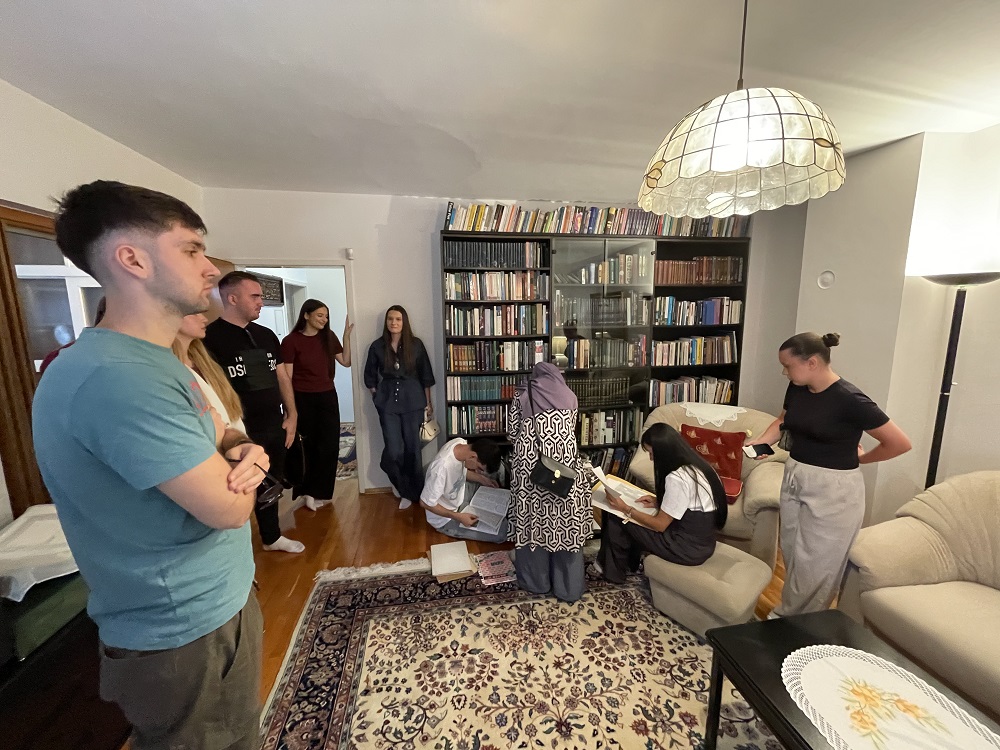
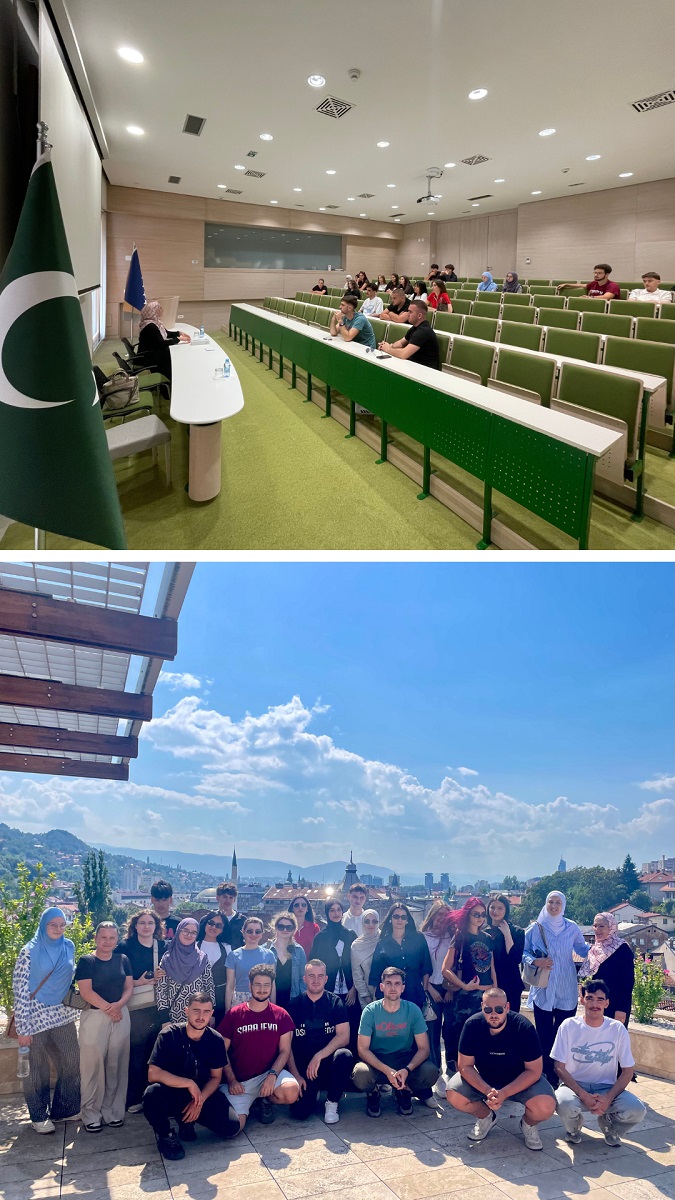
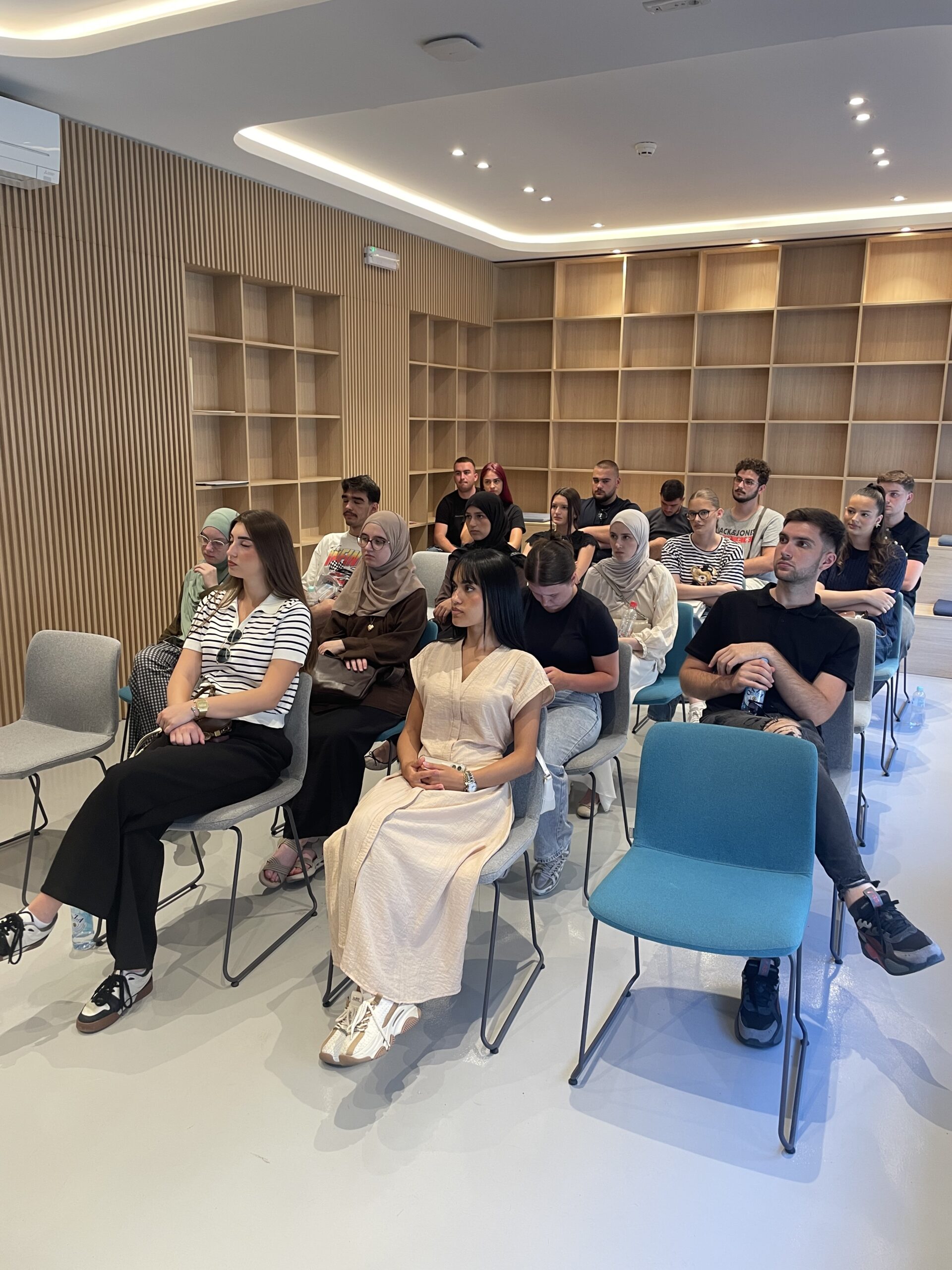
This year, 21 young people joined us from Germany, Switzerland, Austria, Serbia, and Montenegro, and for the first time, from the Czech Republic and the Republic of North Macedonia. On the first day of the School, the participants settled into the Student Center of the Islamic Community in Sarajevo, and then visited the Alija Izetbegović Foundation, where they were welcomed by Foundation representatives — Sabina Berberović, Adis Alagić, and Esma Zlatar — who introduced them to the work of the Foundation and the Summer School program. Mr. Edin Omerčić, representing the Office for the Diaspora of the Government of Sarajevo Canton, was also present at the meeting at the Foundation.
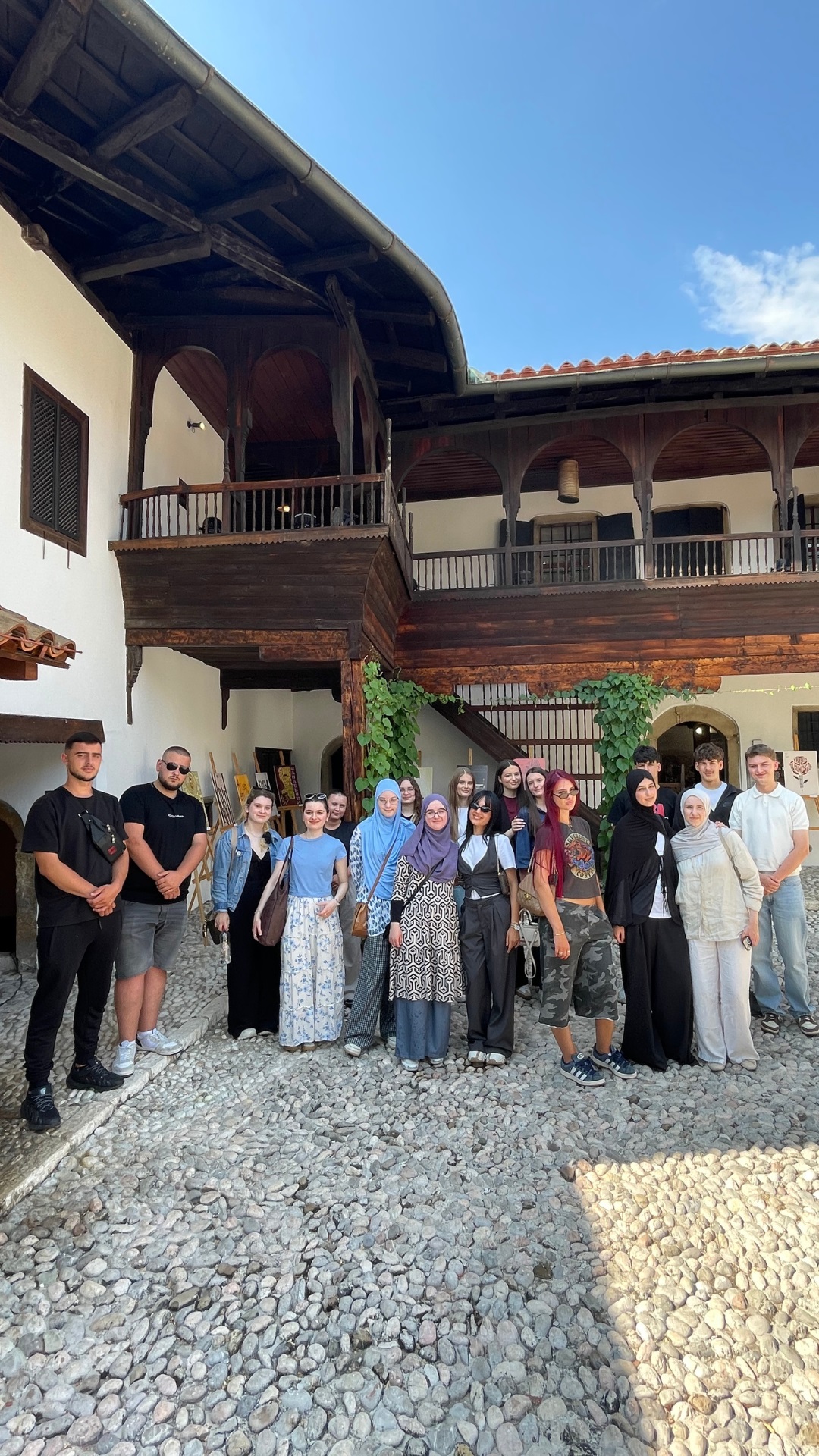
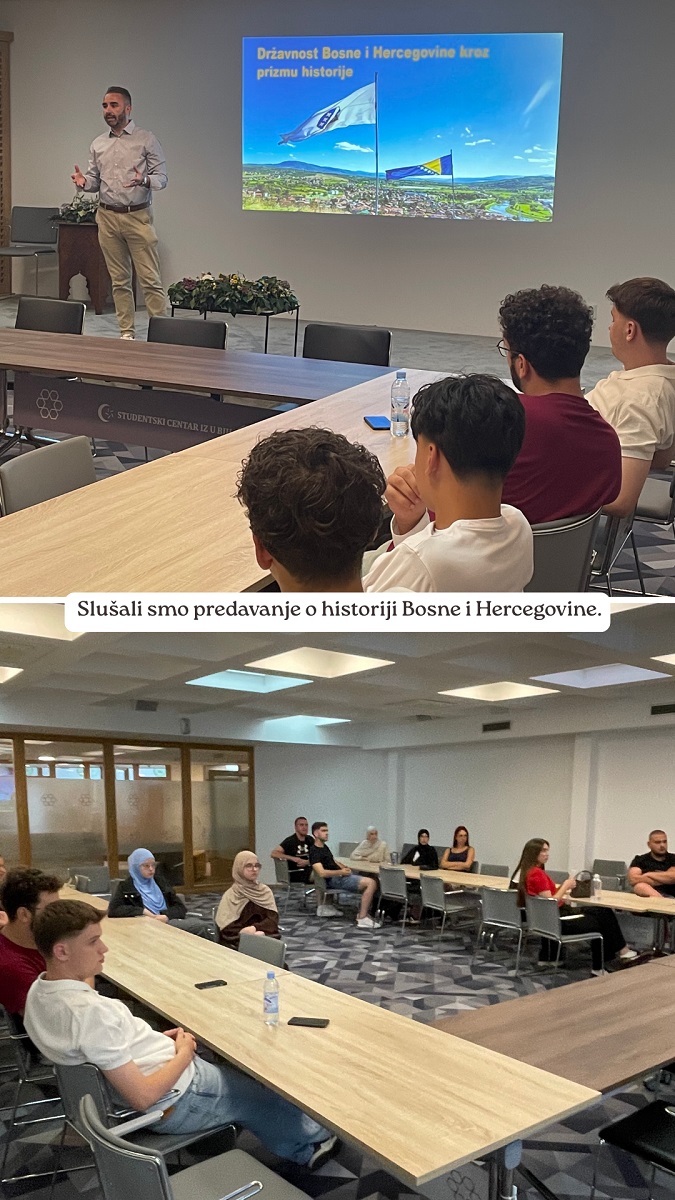
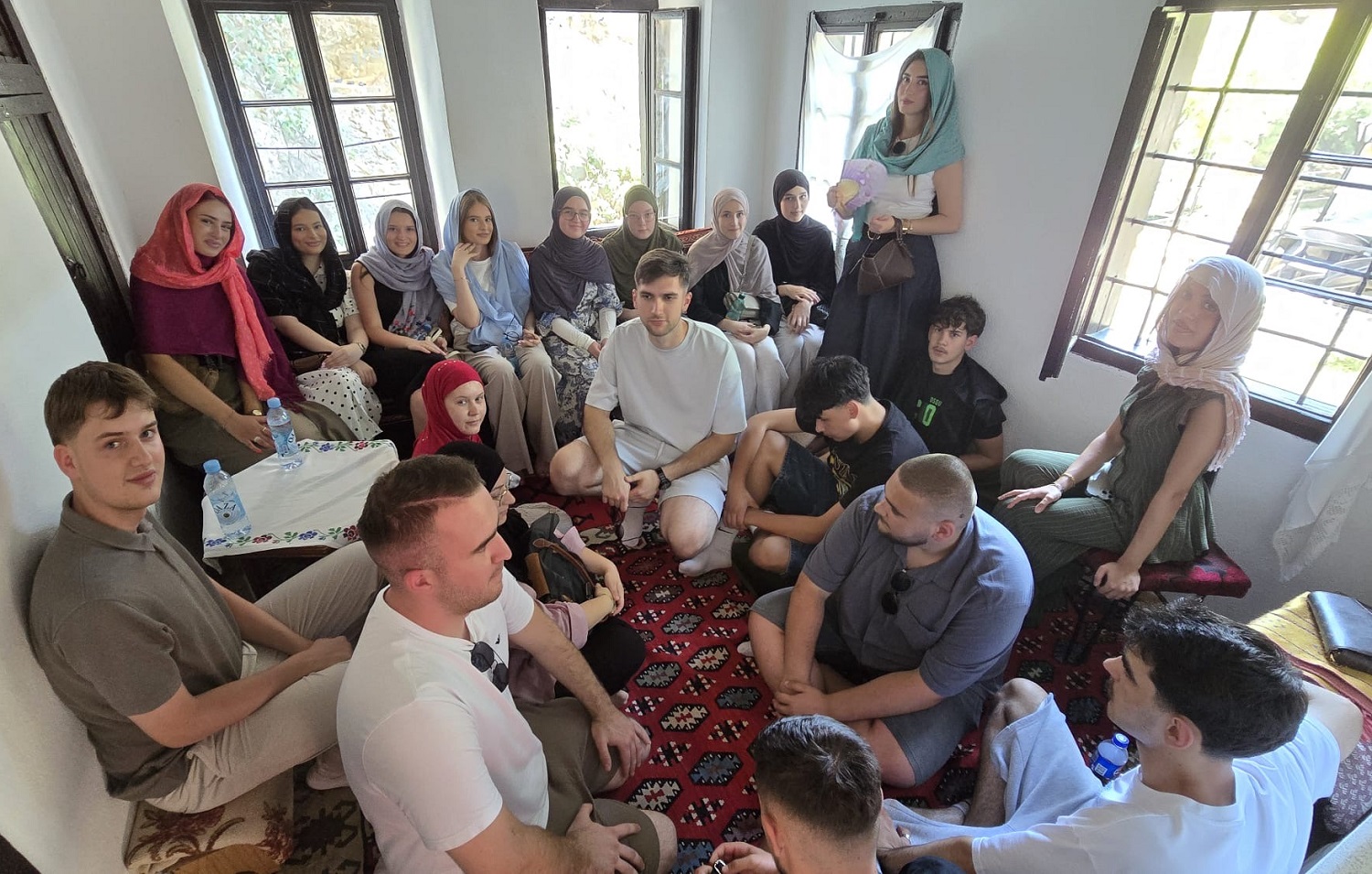
After lunch, they visited the administrative building of the Riyasat of the Islamic Community in Bosnia and Herzegovina in Kovači, where they were welcomed by Medina Mehmedović-Mulalić, who introduced them to the structure and mission of the Islamic Community in Bosnia and Herzegovina, as well as among the diaspora. They then toured Svrzo’s House, a place steeped in rich history. In the evening, M.A. Admir Lisica spoke with the young participants about the history of Bosnia and Herzegovina, after which the participants went for dinner and a walk through the old parts of Sarajevo.
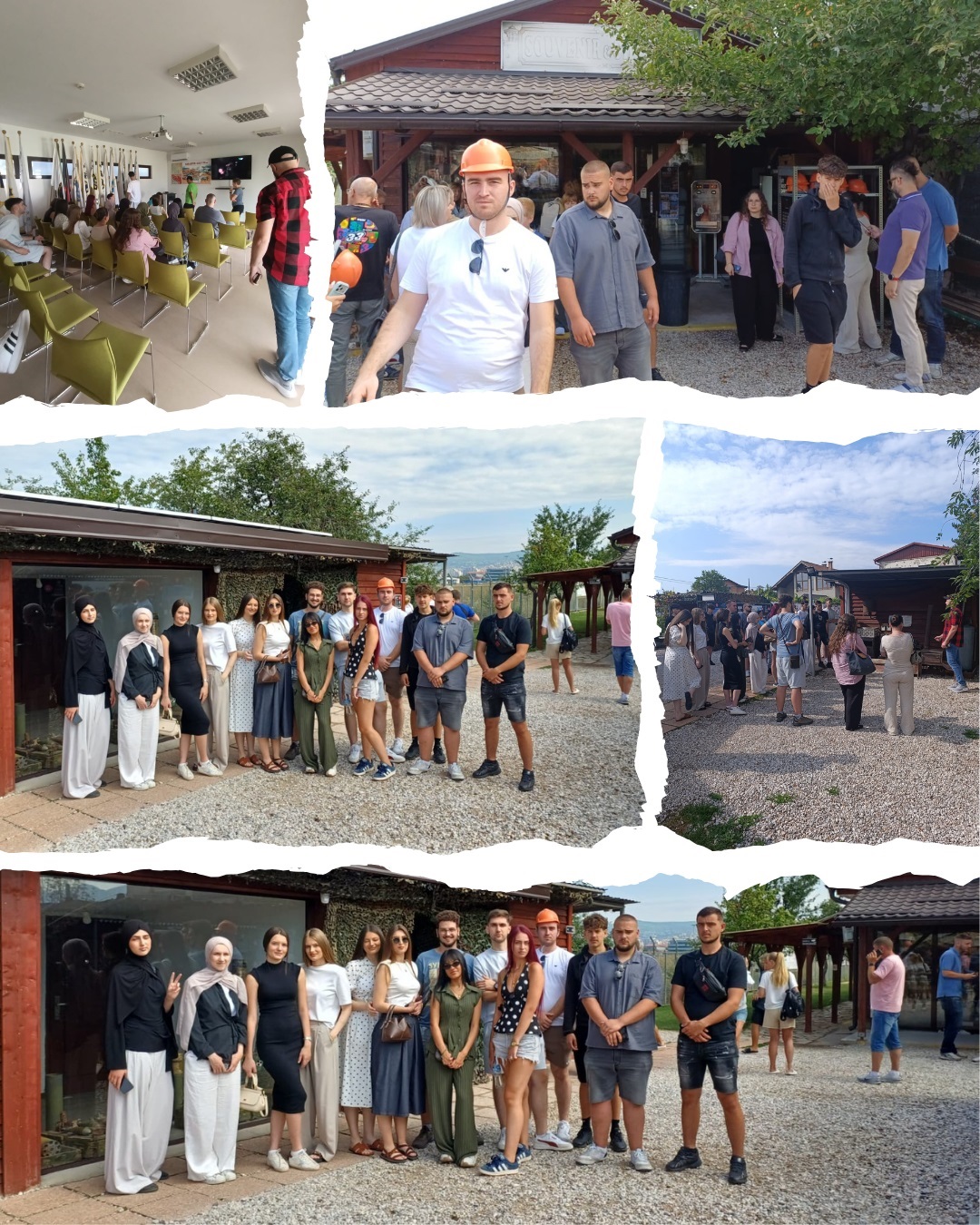
The second day of the 2026 Summer School for Youth from the Diaspora and the Region began with breakfast and a visit to the Tunnel of Hope, where the participants attended a lecture and watched a film about the design and excavation of the Tunnel, which was the lifeline of Sarajevo during the siege during the Aggression against Bosnia and Herzegovina in the 1990s.
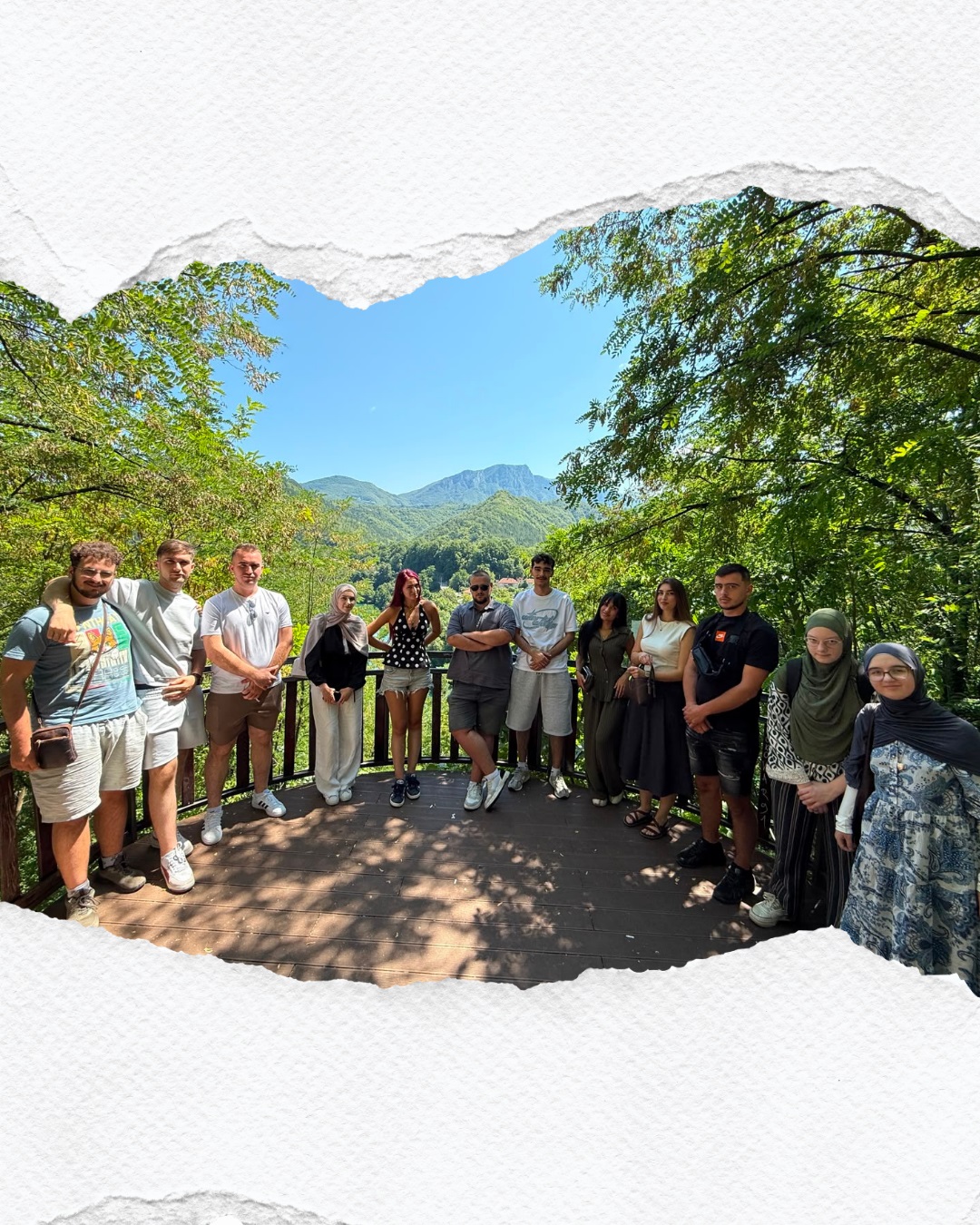
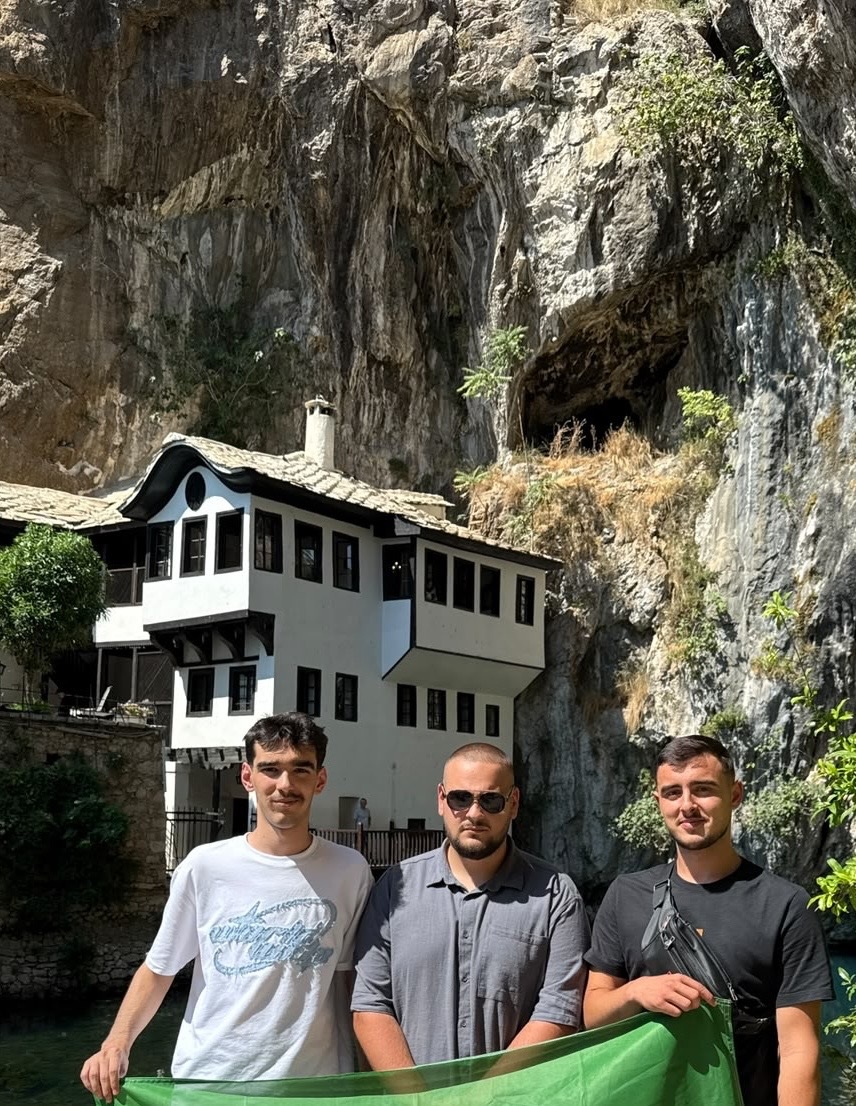
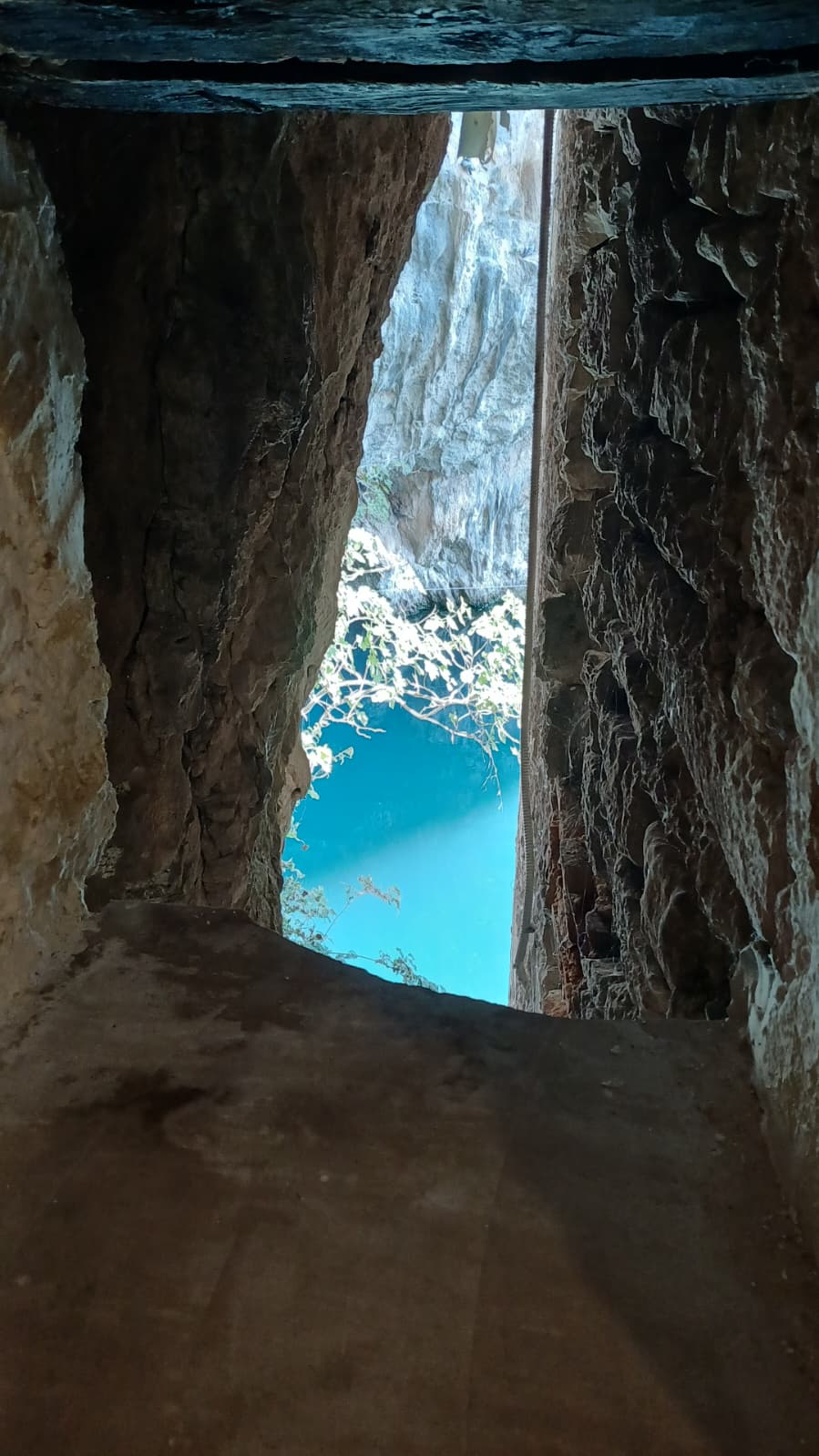
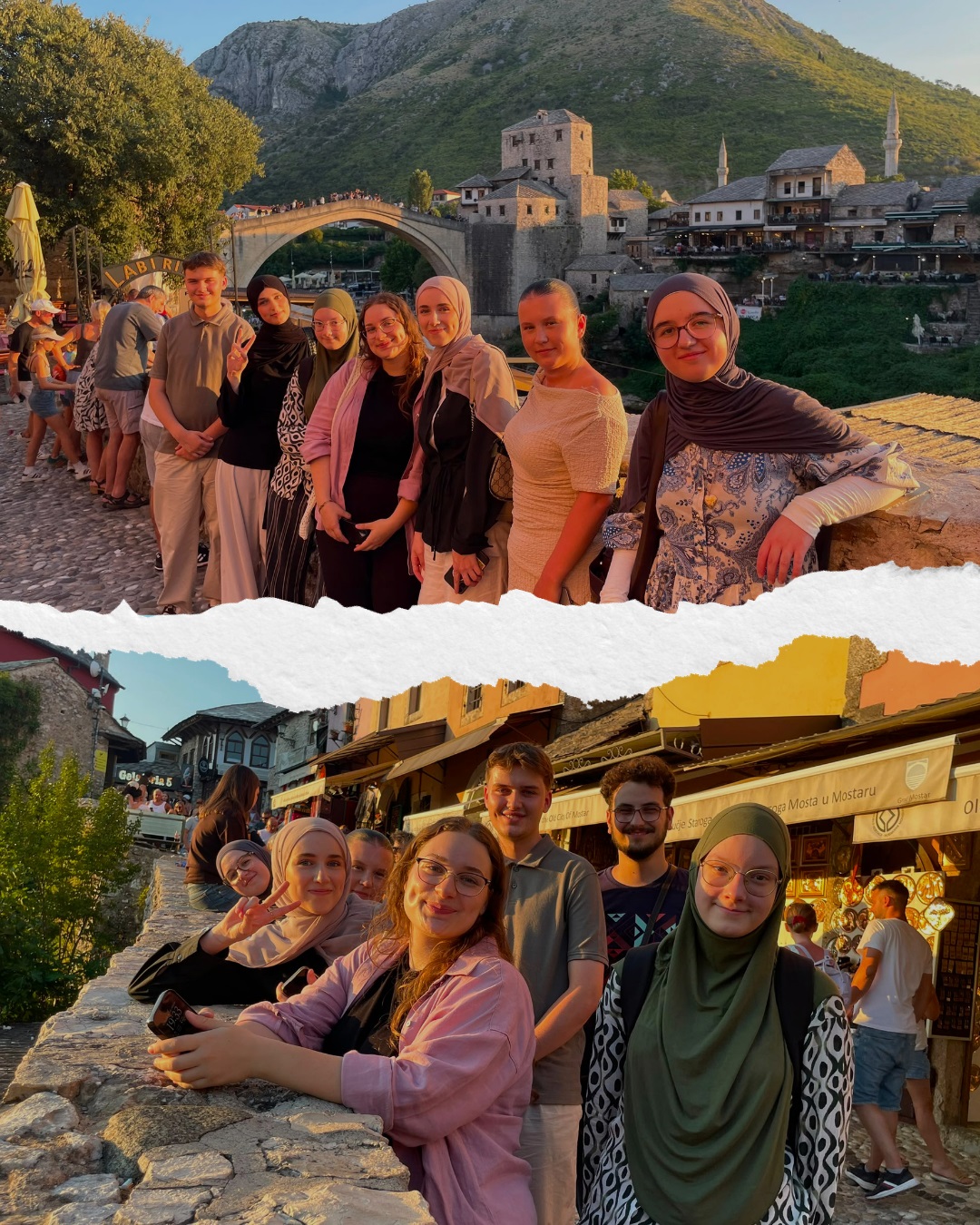
They then continued their journey toward Blagaj, visited the Blagaj Tekke, had lunch on the banks of the beautiful Buna River, and then settled into the dormitory, followed by socializing and an evening walk through Mostar.
Through learning about the history, culture, and natural beauty of Bosnia and Herzegovina, our participants continue to build new friendships and strengthen their connection with their homeland.
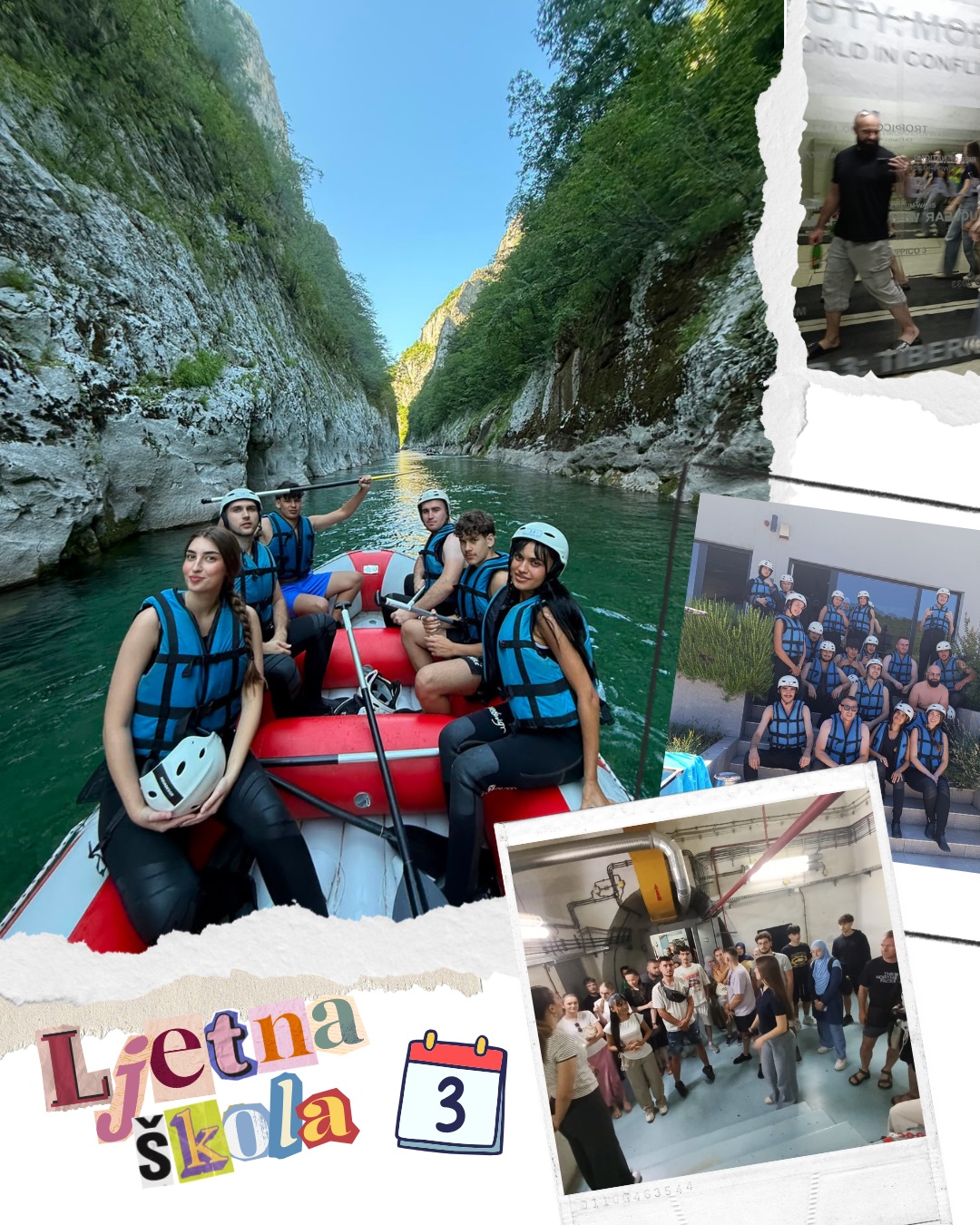
The third day of the Summer School was dedicated to adventure!
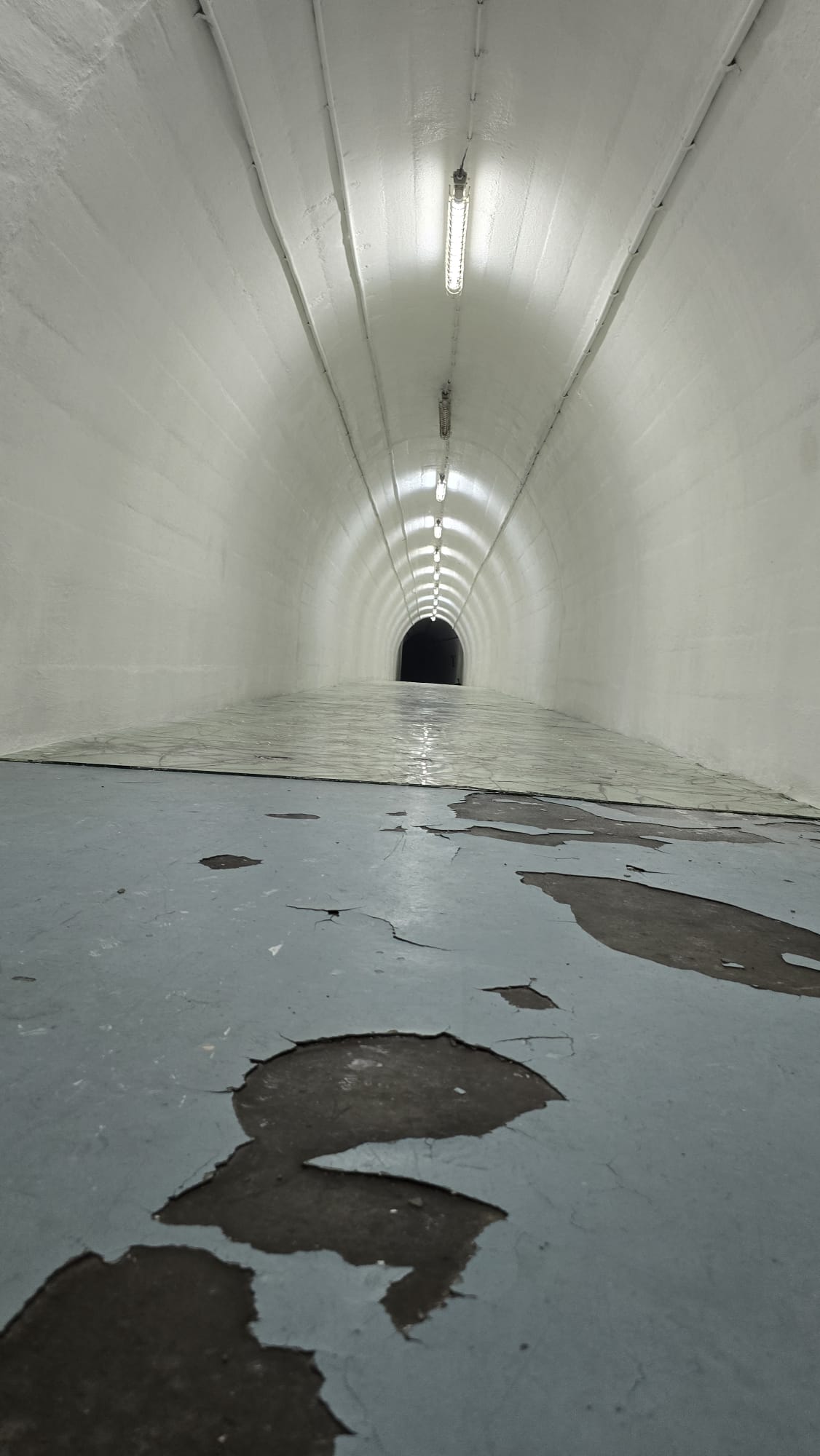
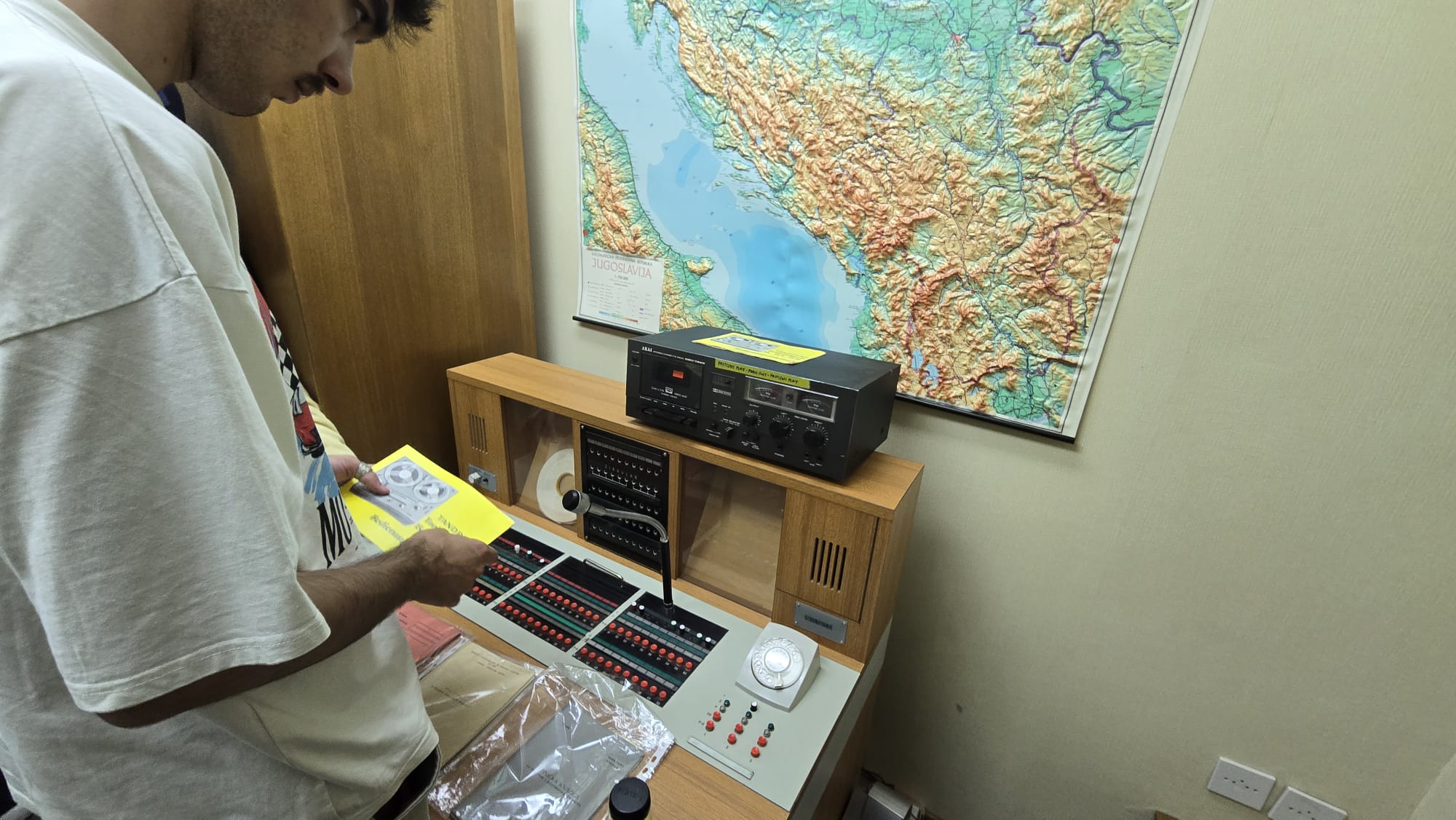
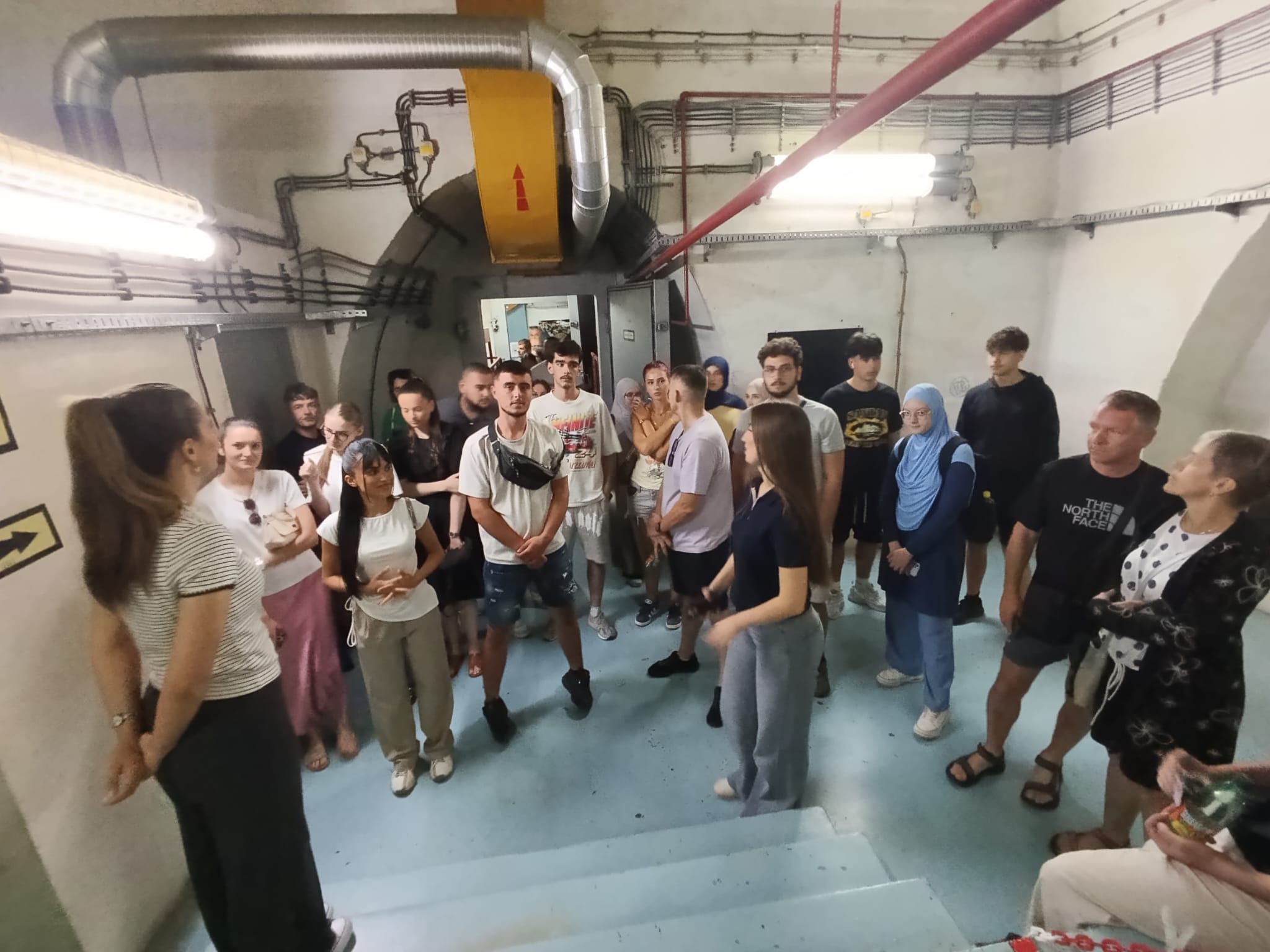
The participants began the day with a visit to Tito’s Bunker — a secret military facility from the former Yugoslavia — where they had the opportunity to learn more about the complex political and security circumstances of that period.
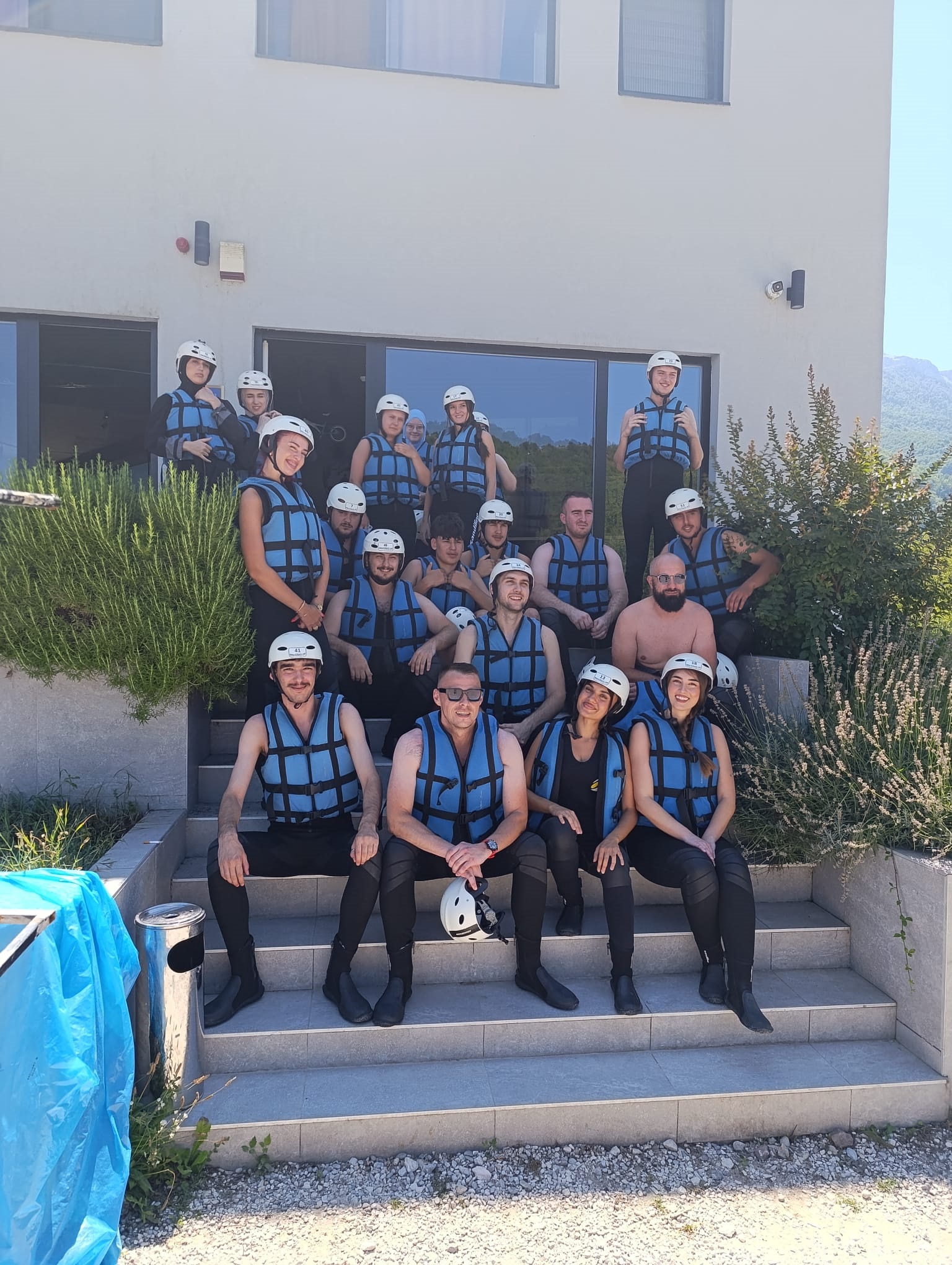
After the historical part of the program, an adventure on the Neretva River followed — rafting, which brought laughter, teamwork, and unforgettable memories.
On the fourth day of the Summer School for Youth from the Diaspora and the Region, the young participants returned to lectures, with a focus on culture and identity.
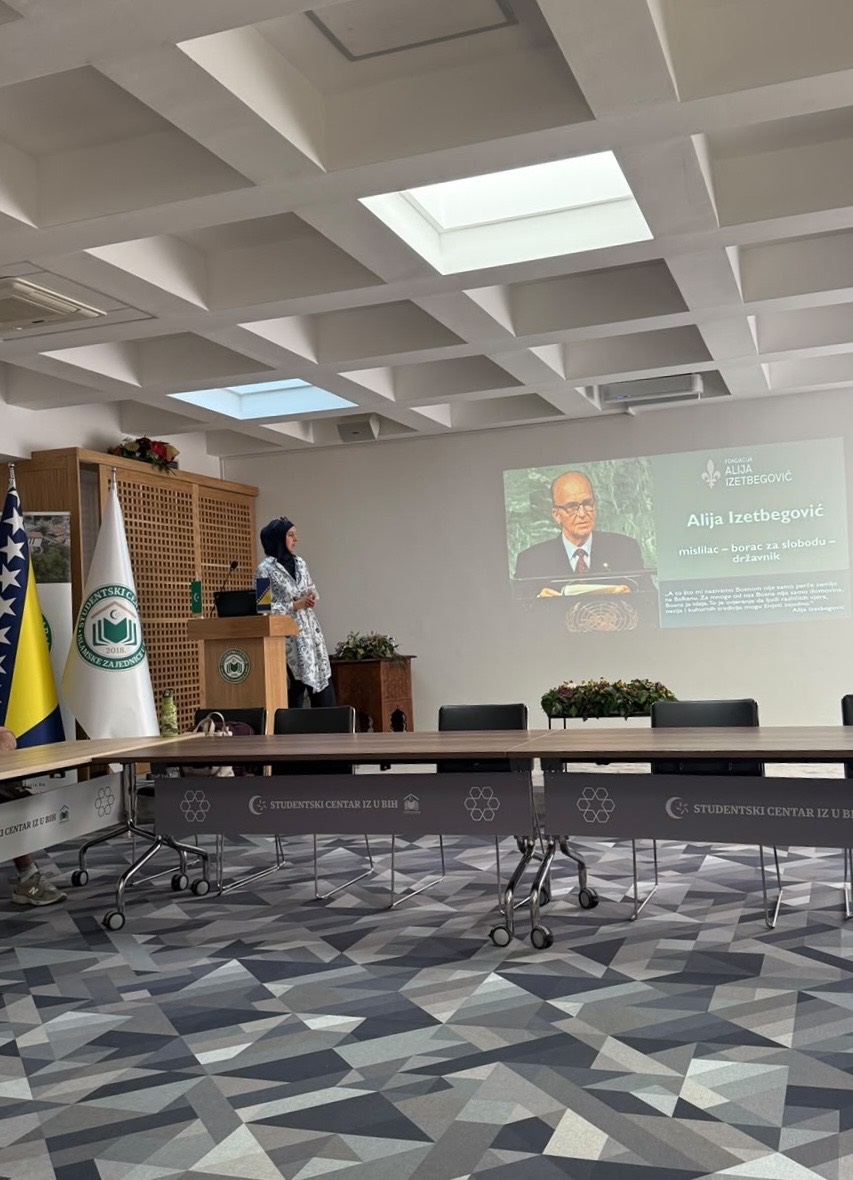
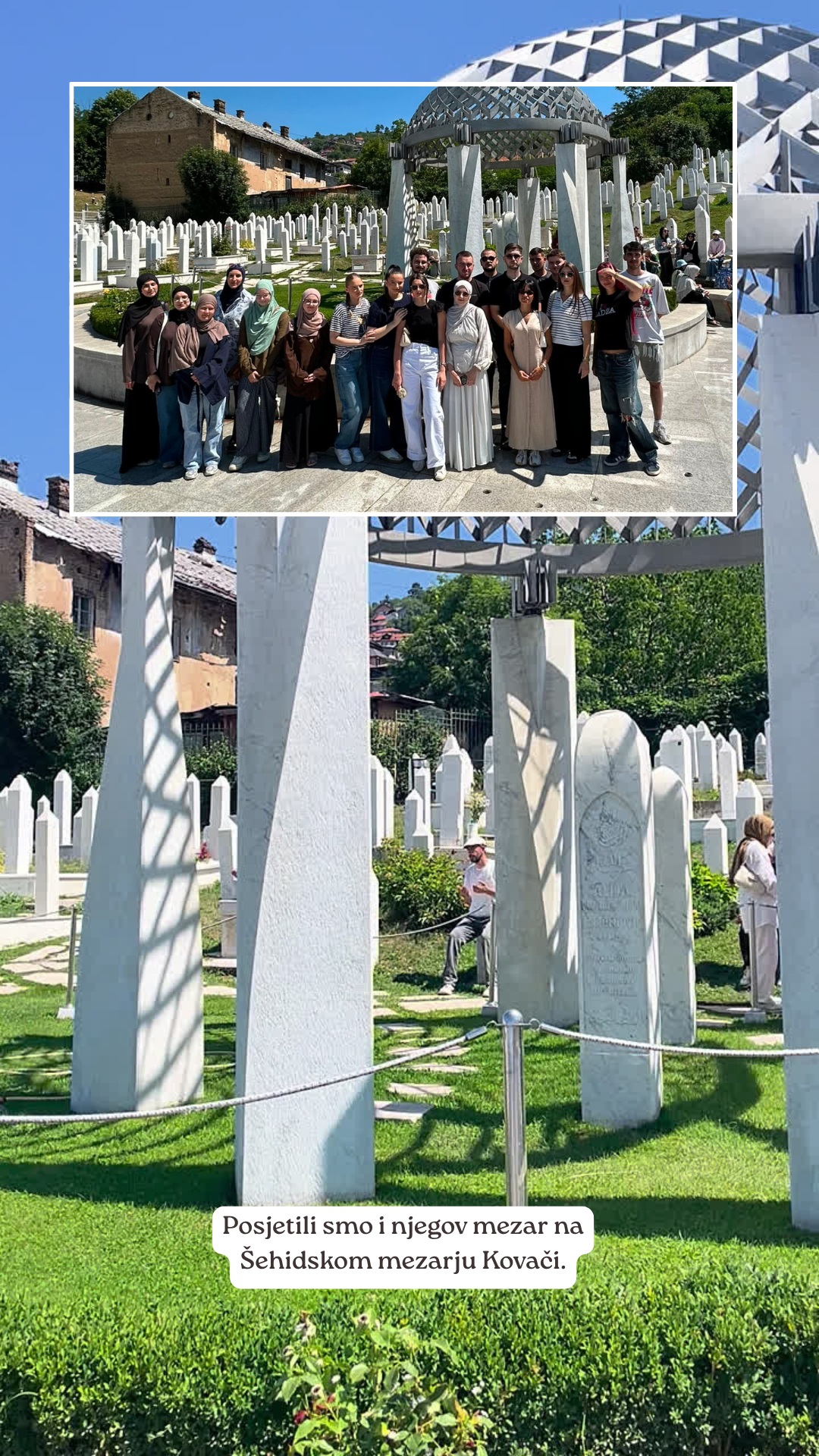
They began the morning with a lecture about the life of Alija Izetbegović — the first President of the Presidency of independent Bosnia and Herzegovina. Afterward, they walked to the “Kovači” Martyrs’ Cemetery, where they recited a dua in remembrance of the fallen soldiers and President Alija Izetbegović.
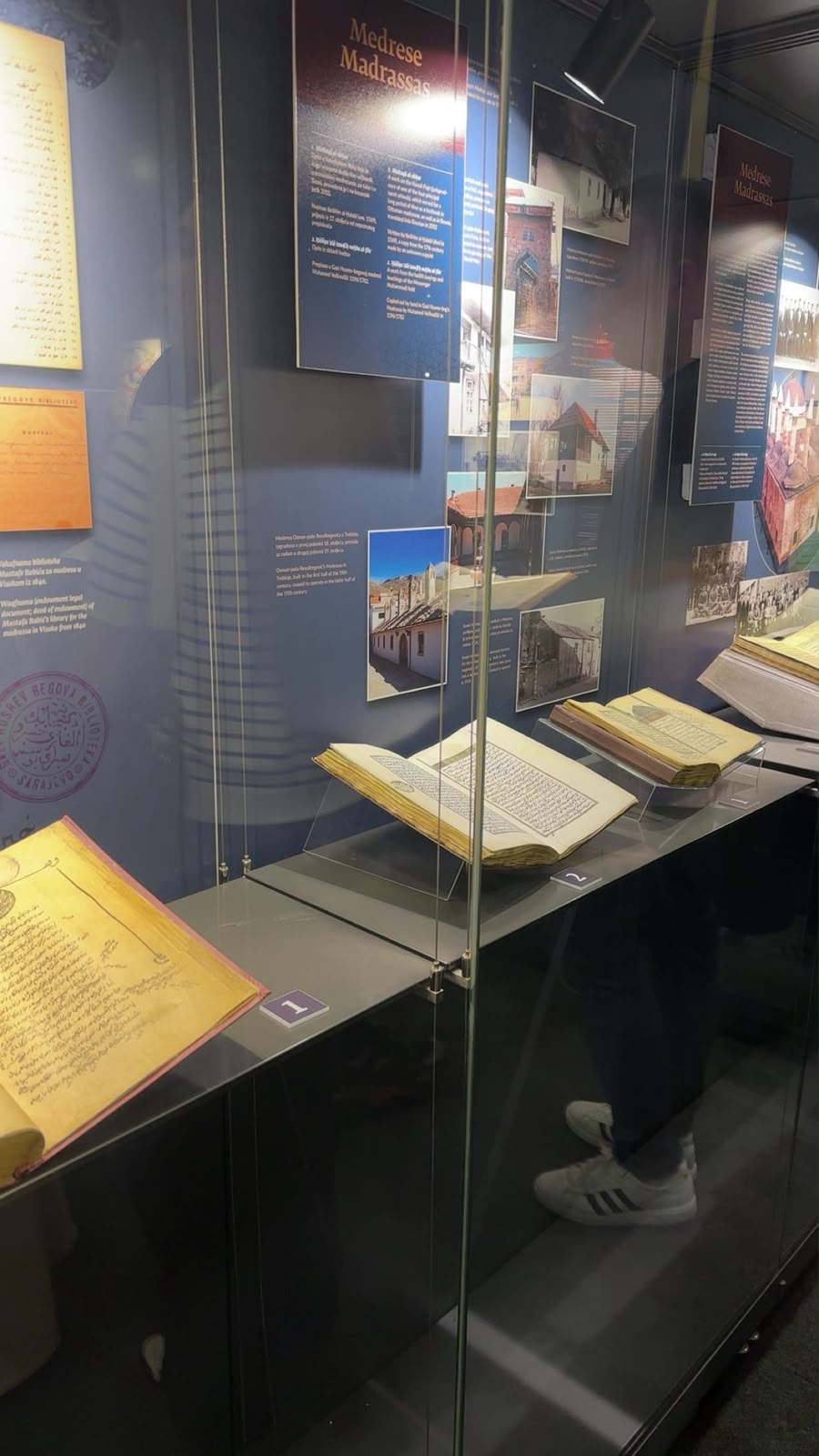
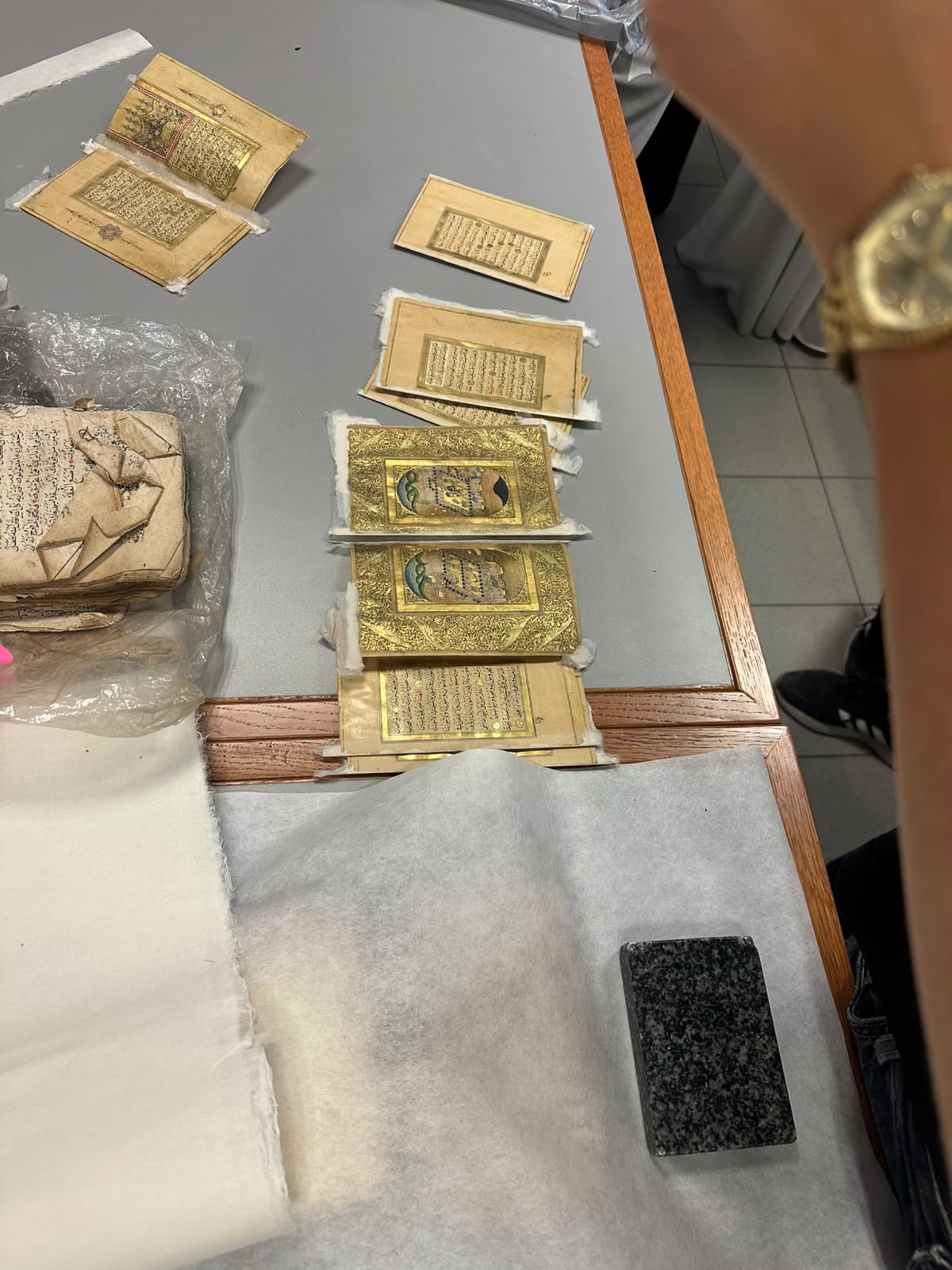
The program continued with a walk down Kovači to Baščaršija, which at this time of year is full of tourists from different parts of the world. They also visited the Gazi Husrev-bey Library, where they had the opportunity to look into the institution’s rich archives and learn more about the significance of, and methods for, the conservation and restoration of valuable historical manuscripts.
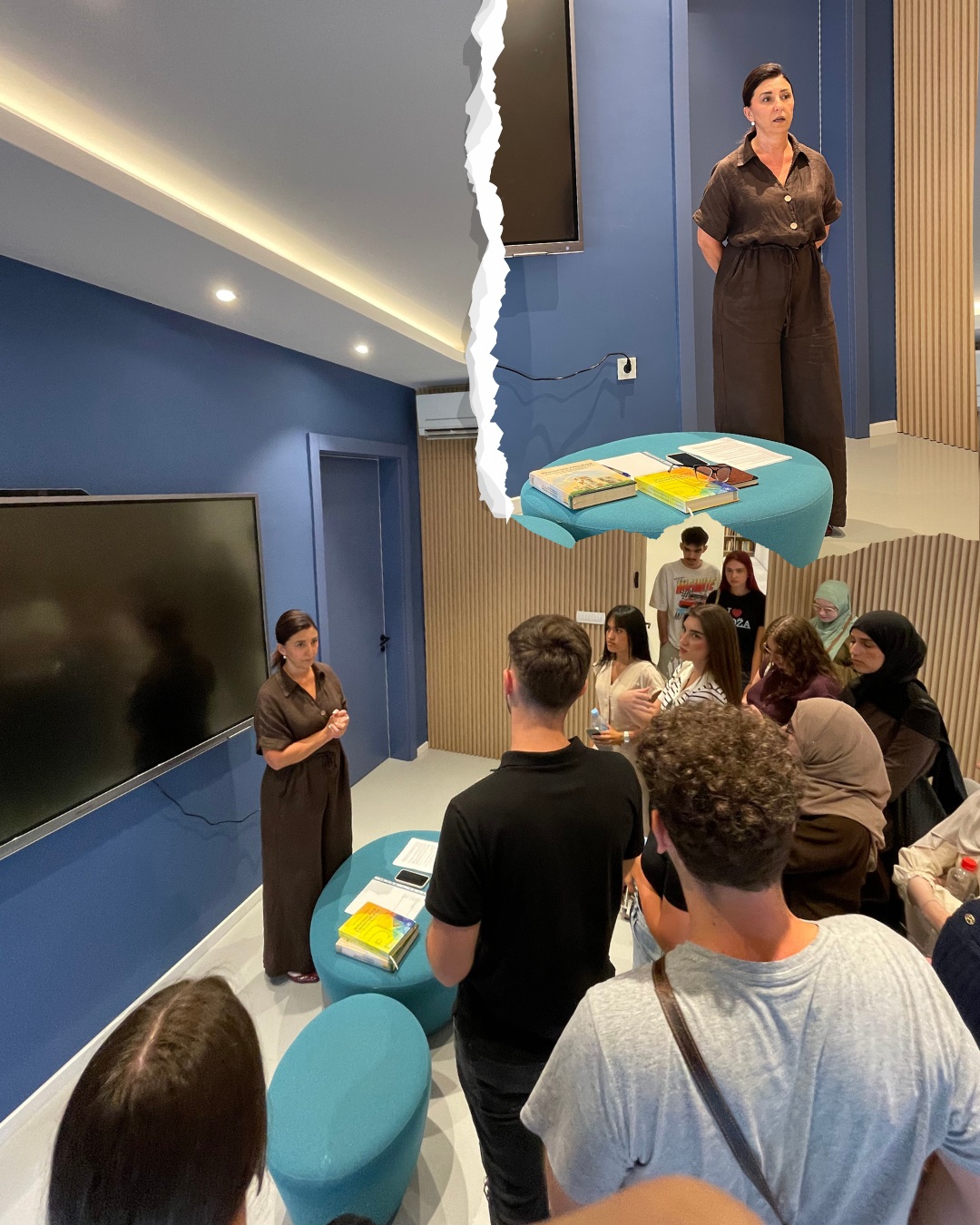
A special part of the day was a lecture and discussion about the Bosnian language, delivered by Professor Leila Hamzagić-Kovačević at the modernly equipped Youth Center of the Sarajevo Majlis. Through this lecture, the participants had the opportunity to understand the deeper significance of language in preserving identity and tradition.
After the lecture, lunch and free time to explore Sarajevo followed.
The fifth day of the Summer School was particularly emotional. The participants visited the Srebrenica–Potočari Memorial Center, where, through exhibitions, documents, and testimonies of survivors, they gained a deeper understanding of the scale of the Genocide against Bosniaks and the pain that Srebrenica carries.
After the visit, the young men also attended the Friday prayer (Jumu’ah) at the prayer area within the cemetery of the Memorial Center.
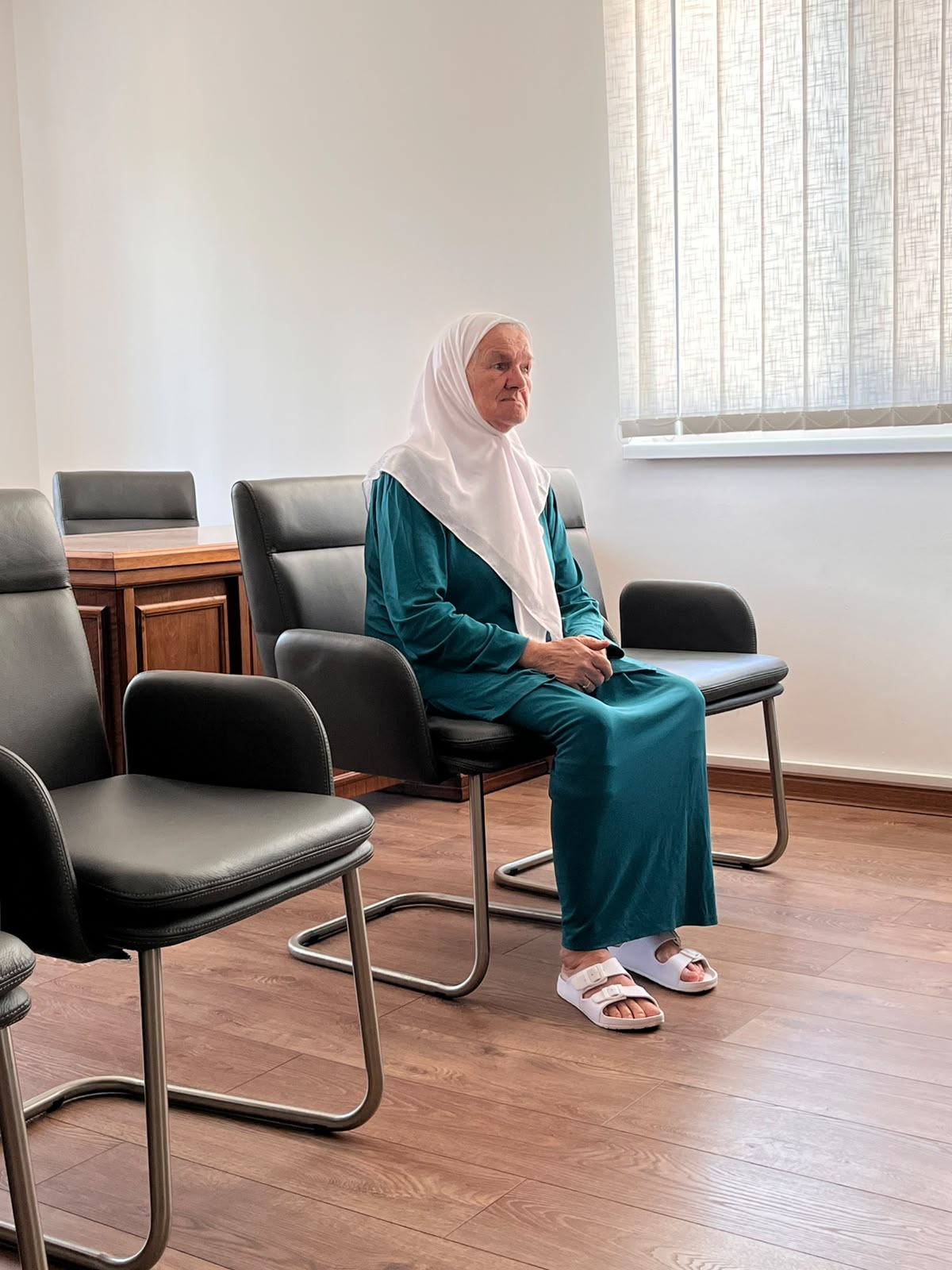
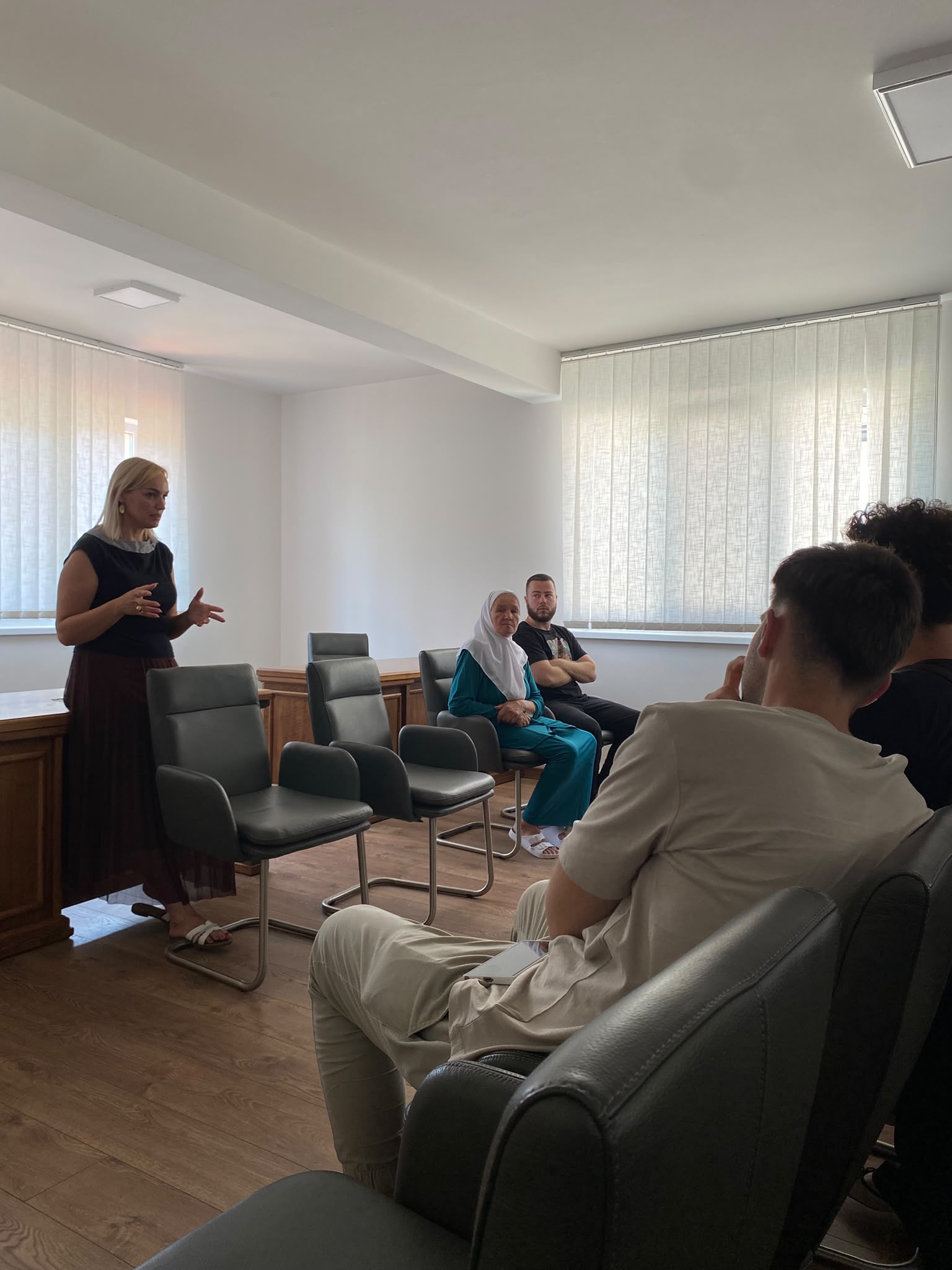
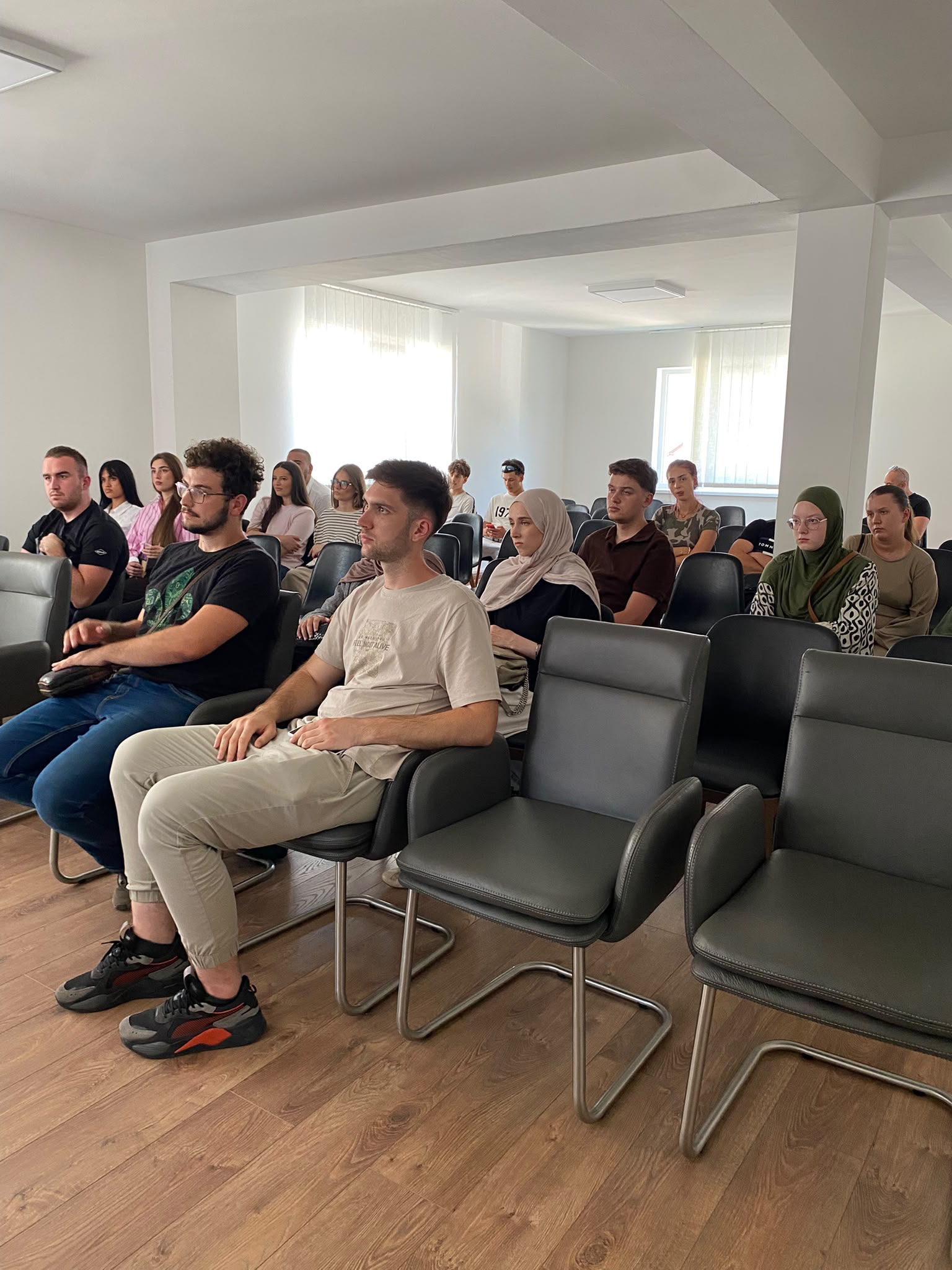
A special moment of the day was the meeting and conversation with Srebrenica mother Mejra Đogaz and a young man who lives in Srebrenica. The conversation was organized at Potočari Han by Meliha Herić, a Bosnian language teacher in Srebrenica. Through her personal testimony and conversation with the young people, mother Mejra Đogaz conveyed the importance of preserving the truth, the culture of remembrance, and the responsibility of future generations.
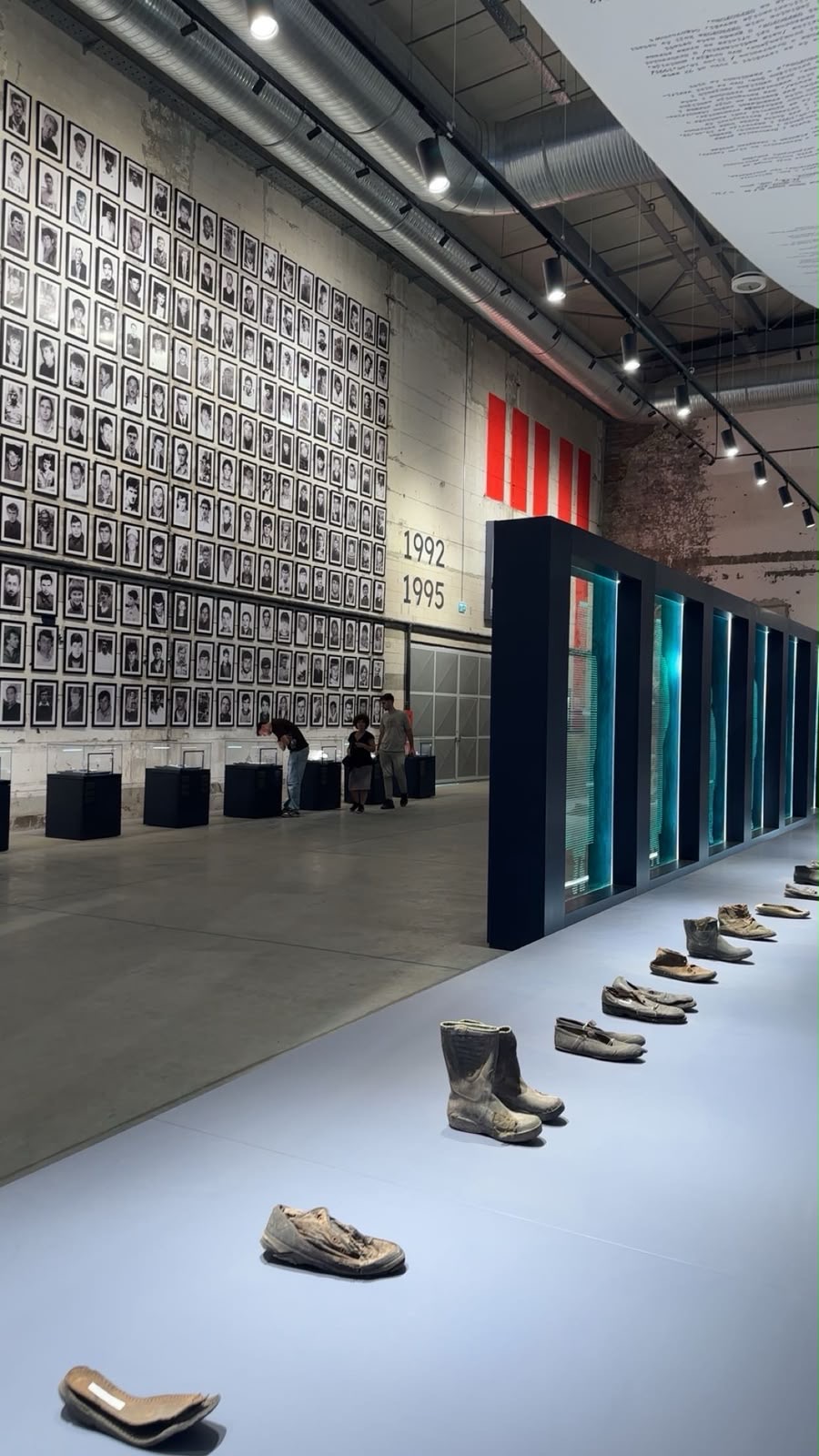
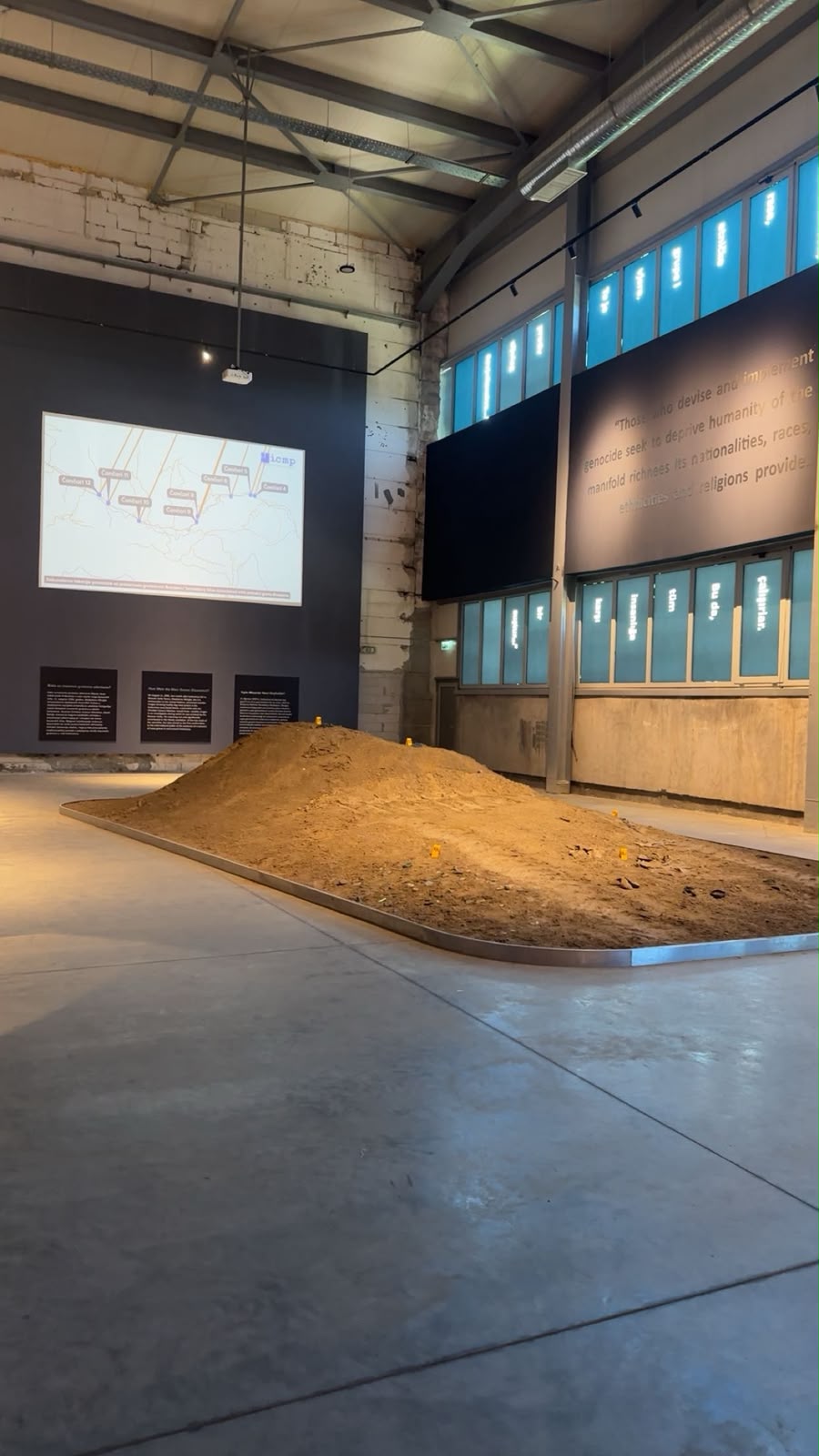
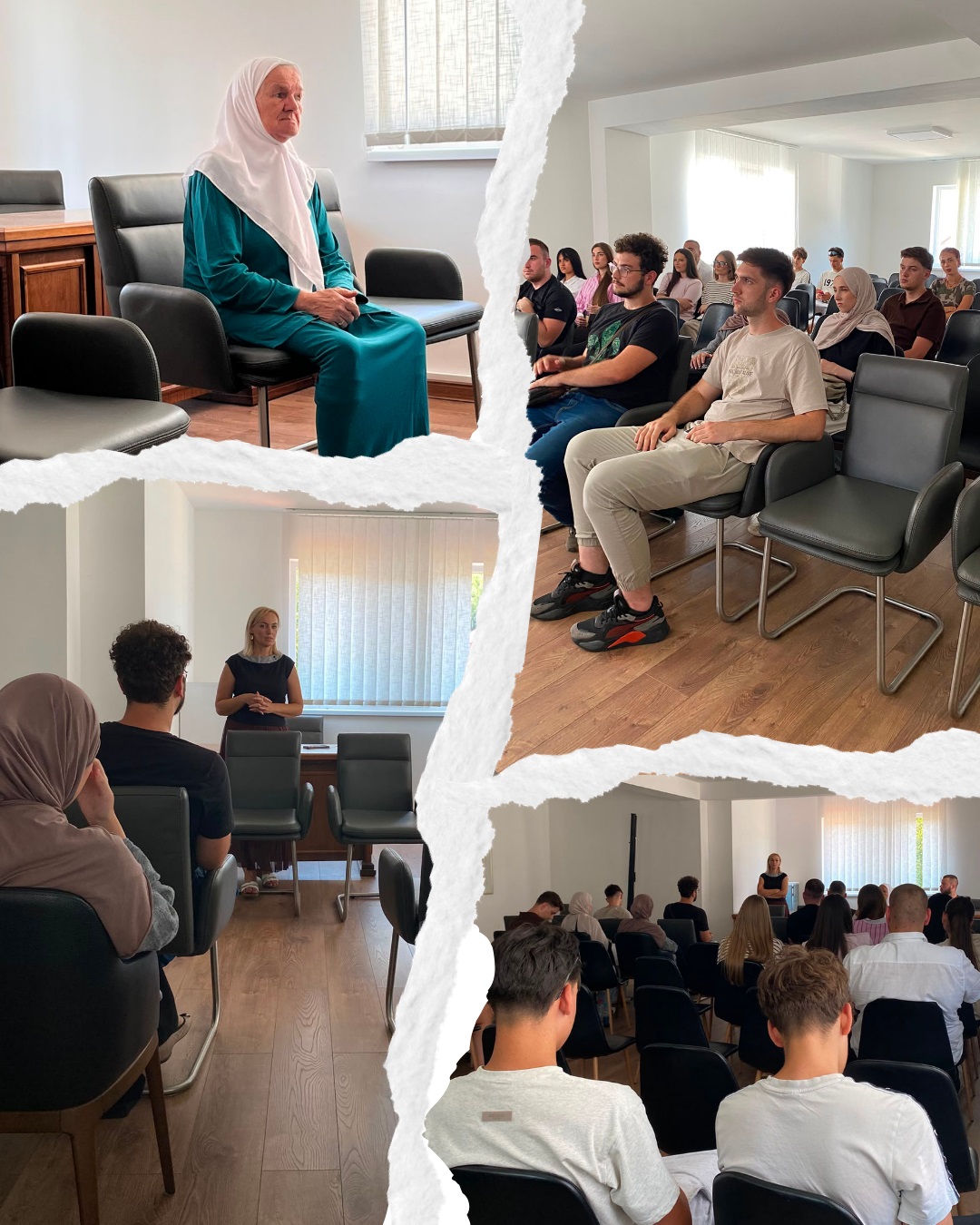
The sixth day of the Summer School was reserved for a full-day excursion, and throughout the day the young participants were accompanied and guided by history professor Hajrudin Mešić.
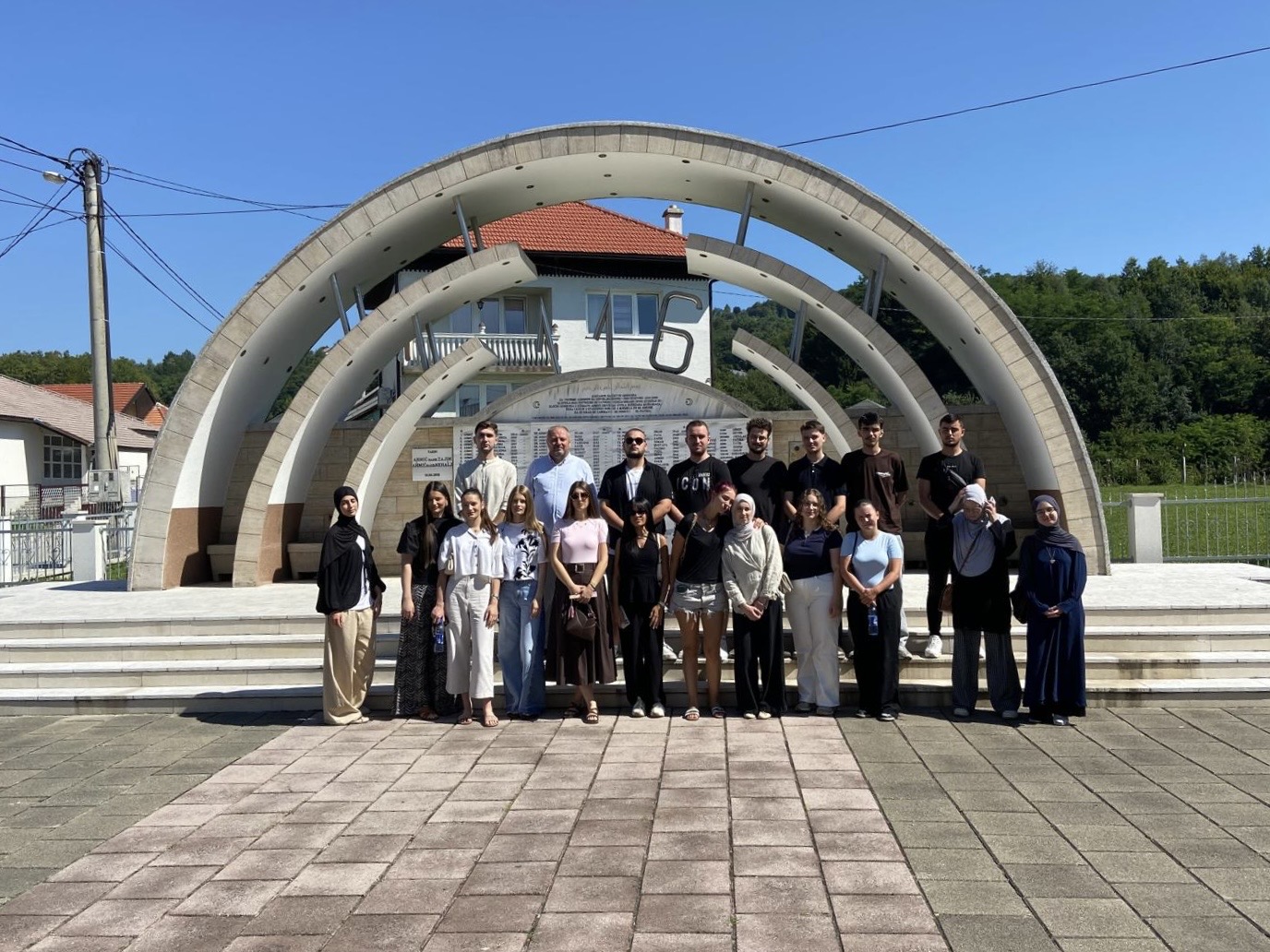
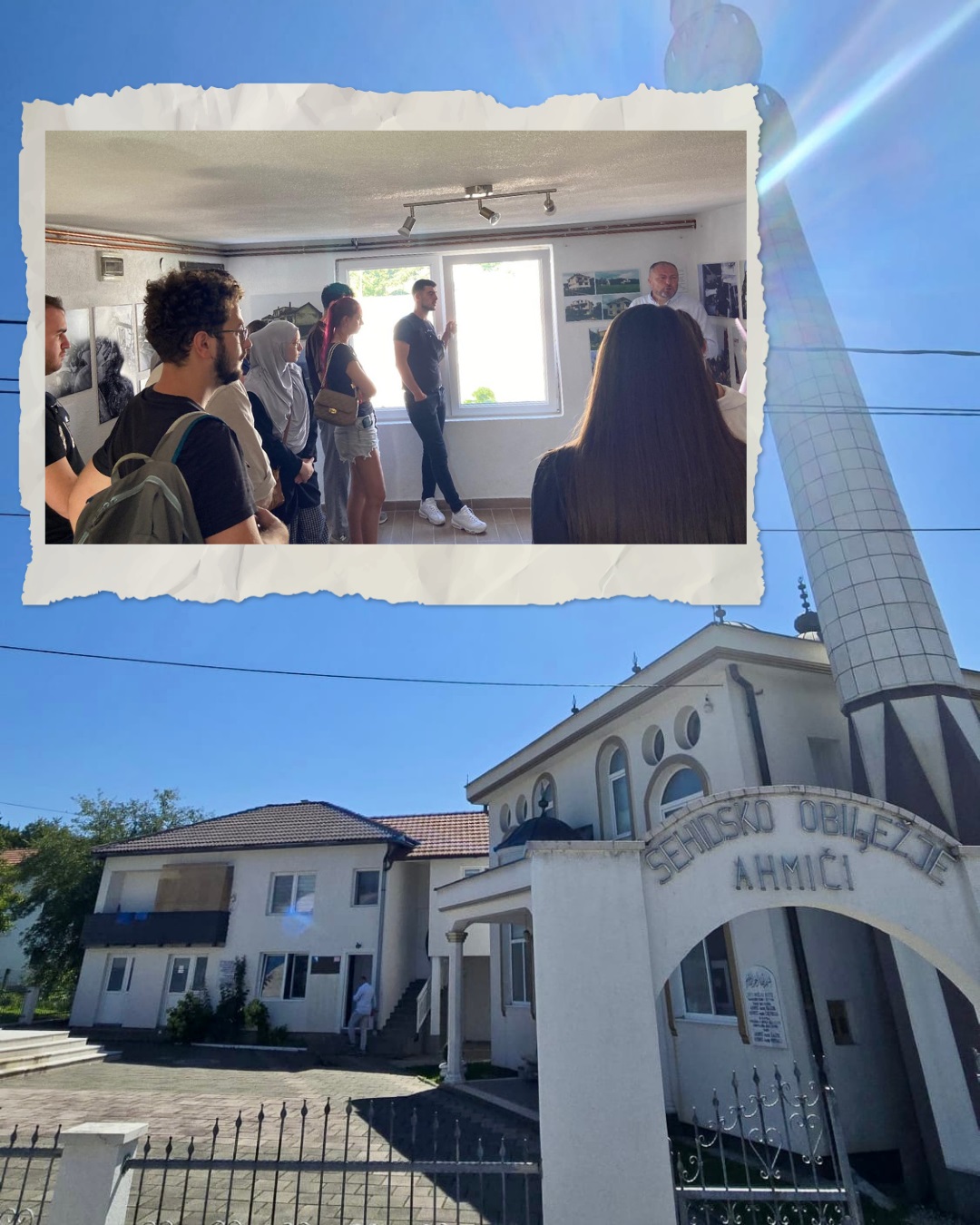
The program began with a visit to Ahmići, where the participants paid tribute to the victims and discussed the importance of nurturing a culture of remembrance.
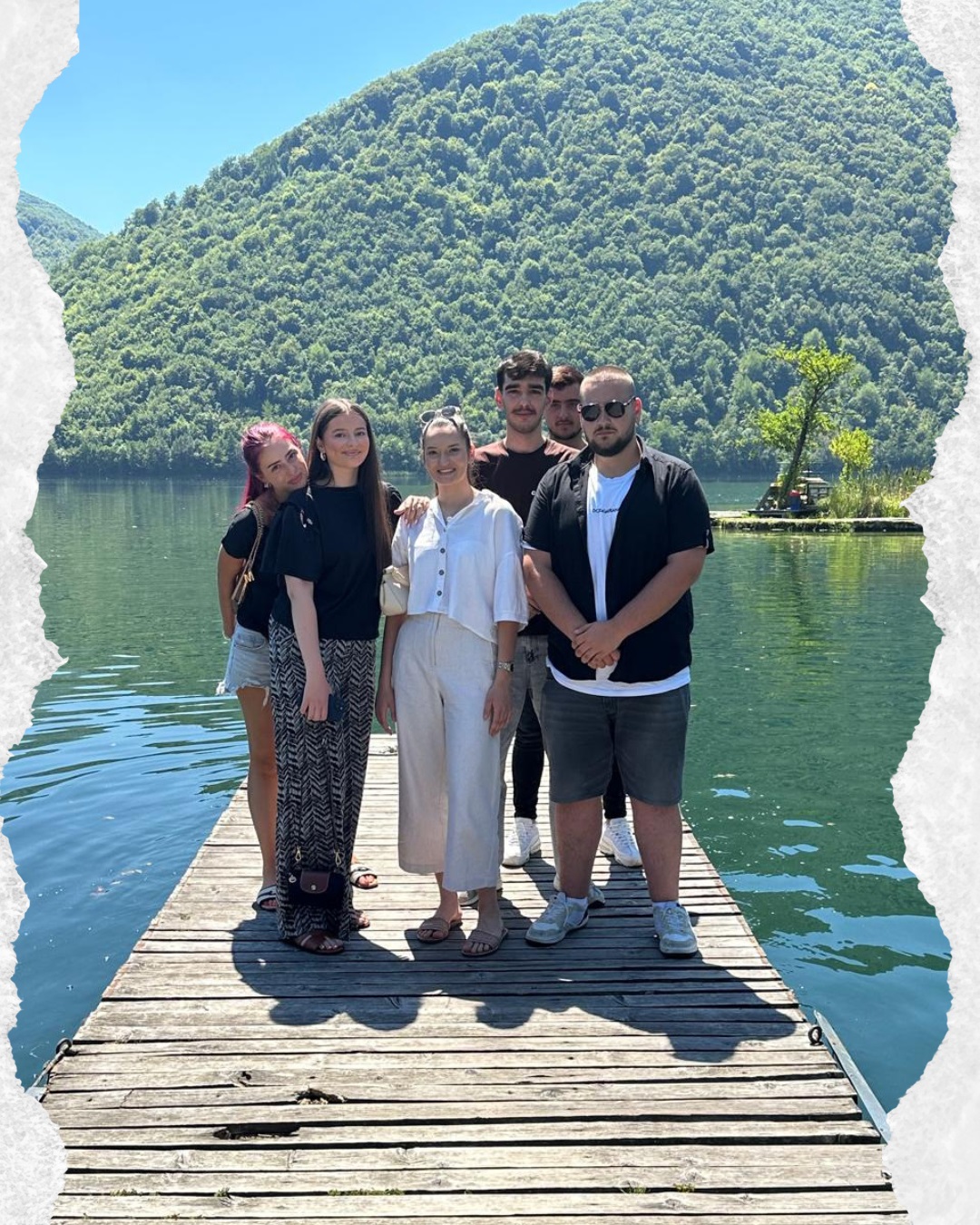
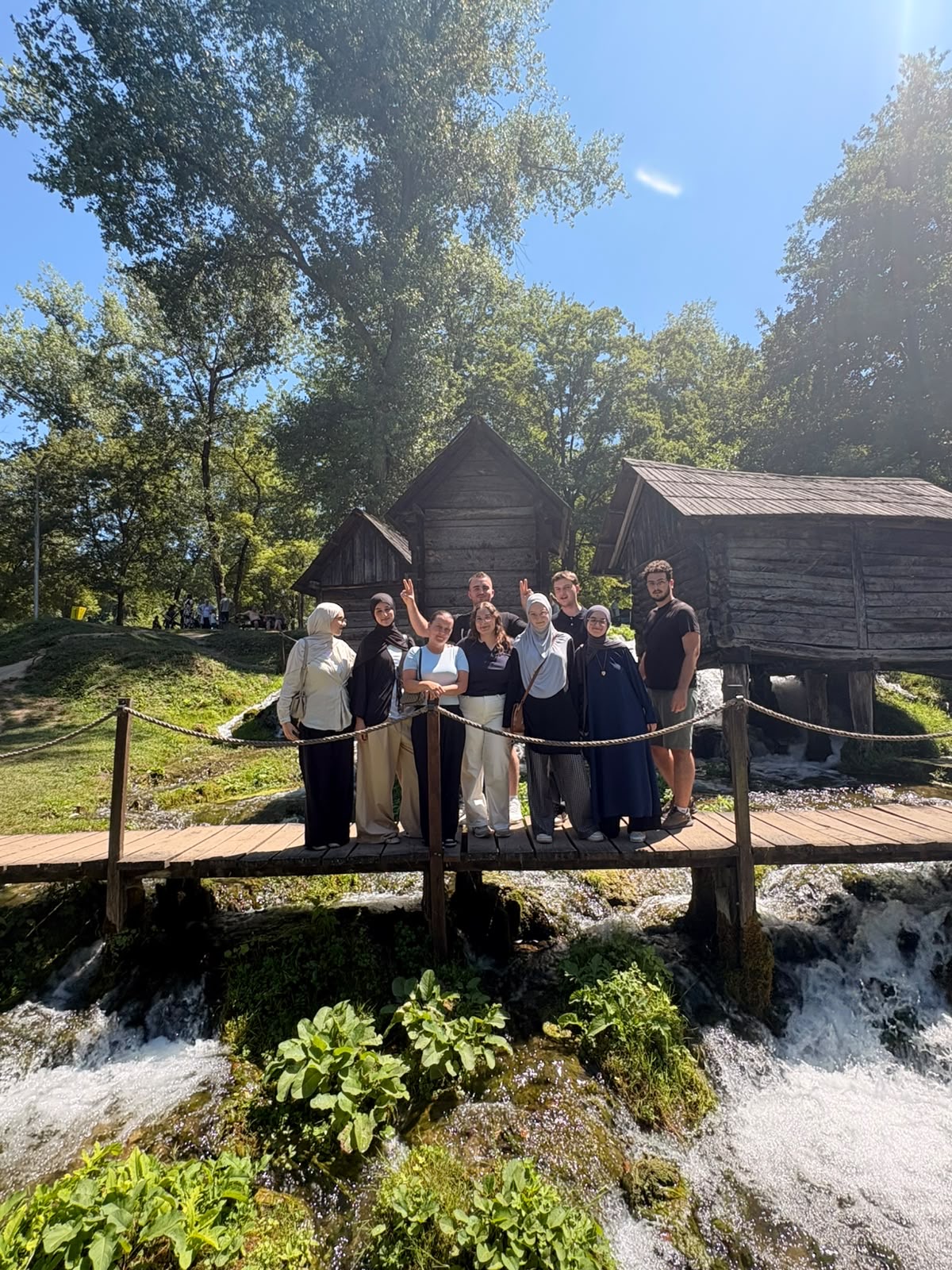
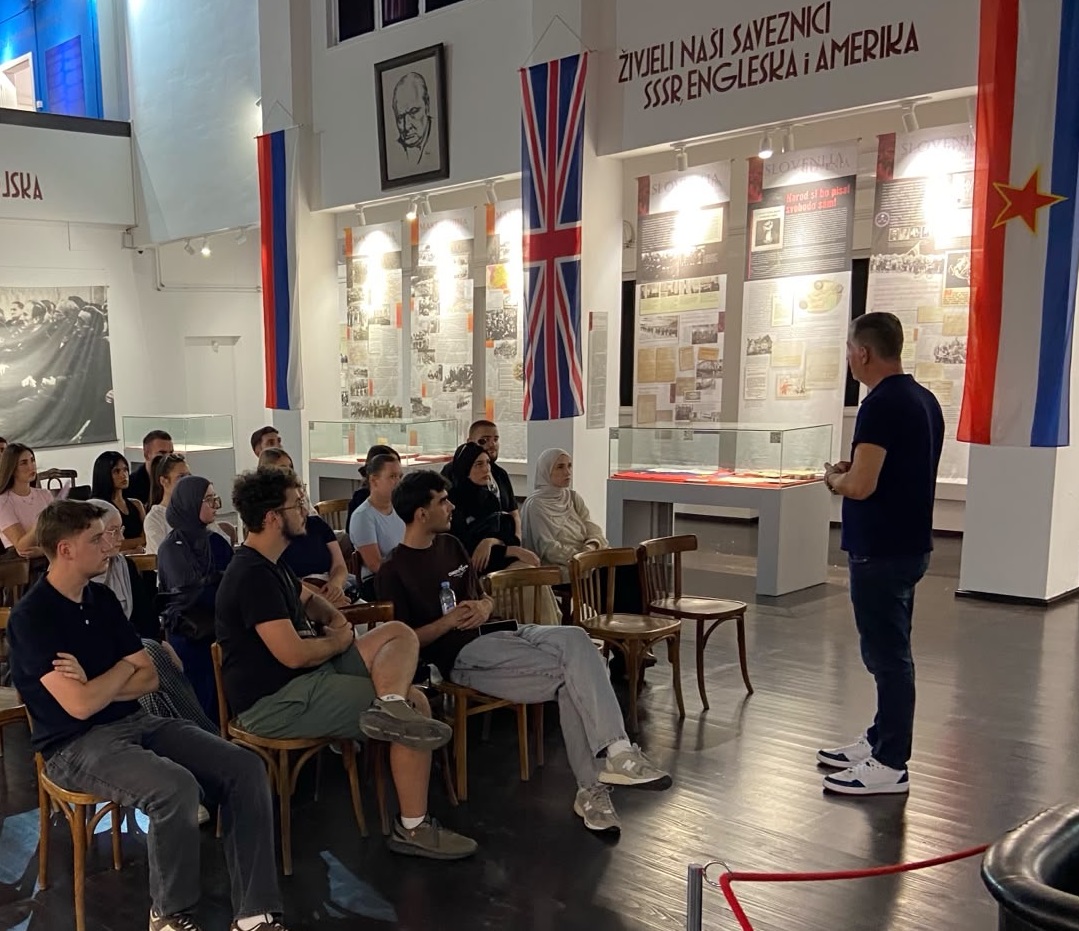
Later in the day, they refreshed themselves at the Pliva Lakes and the beautiful Mlinčići, and then toured Jajce and visited the Museum of the Second Session of AVNOJ, learning about the natural beauty and significant historical events that marked this region.
After a shared lunch at Vlašićka kuća, they returned to Sarajevo.
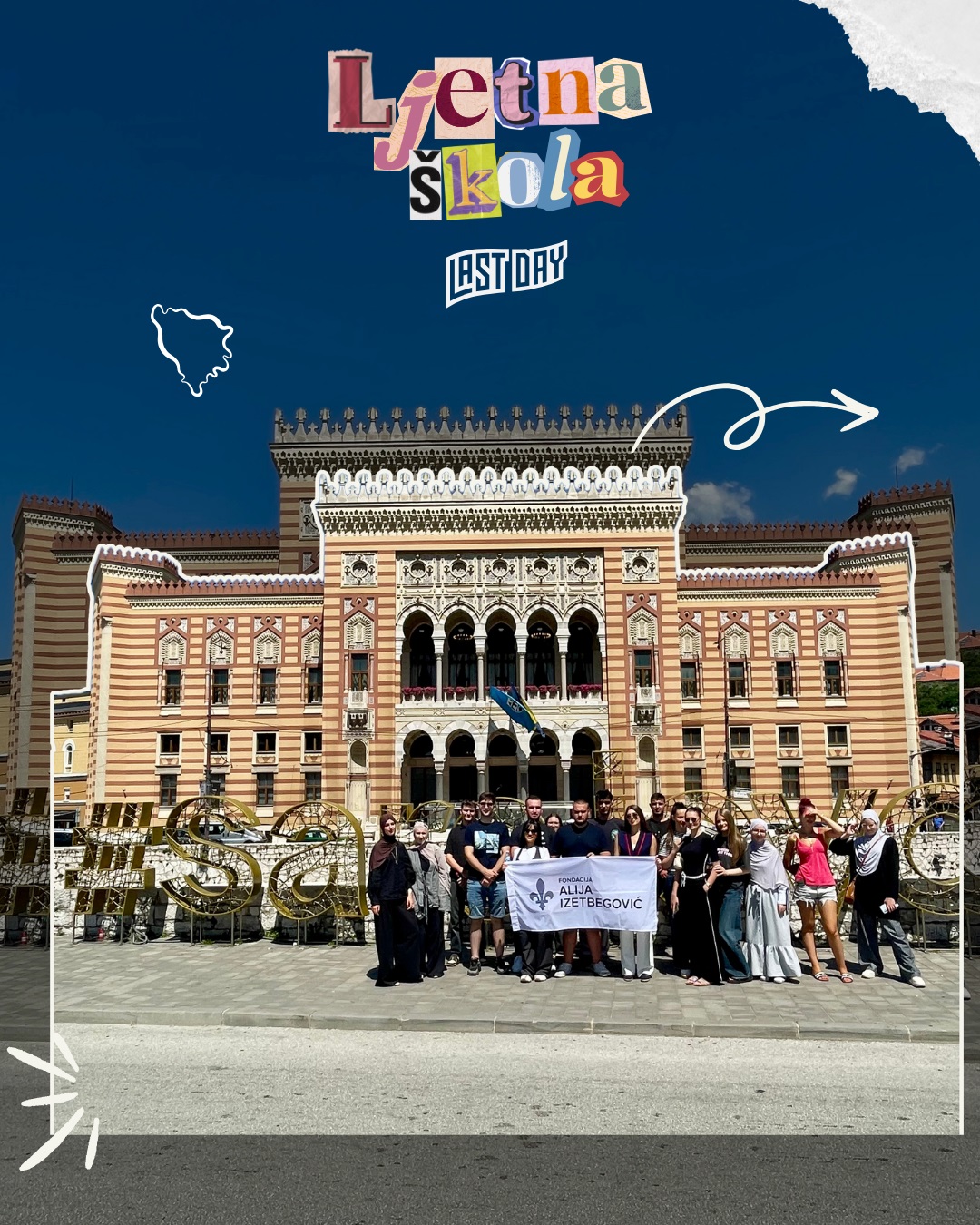
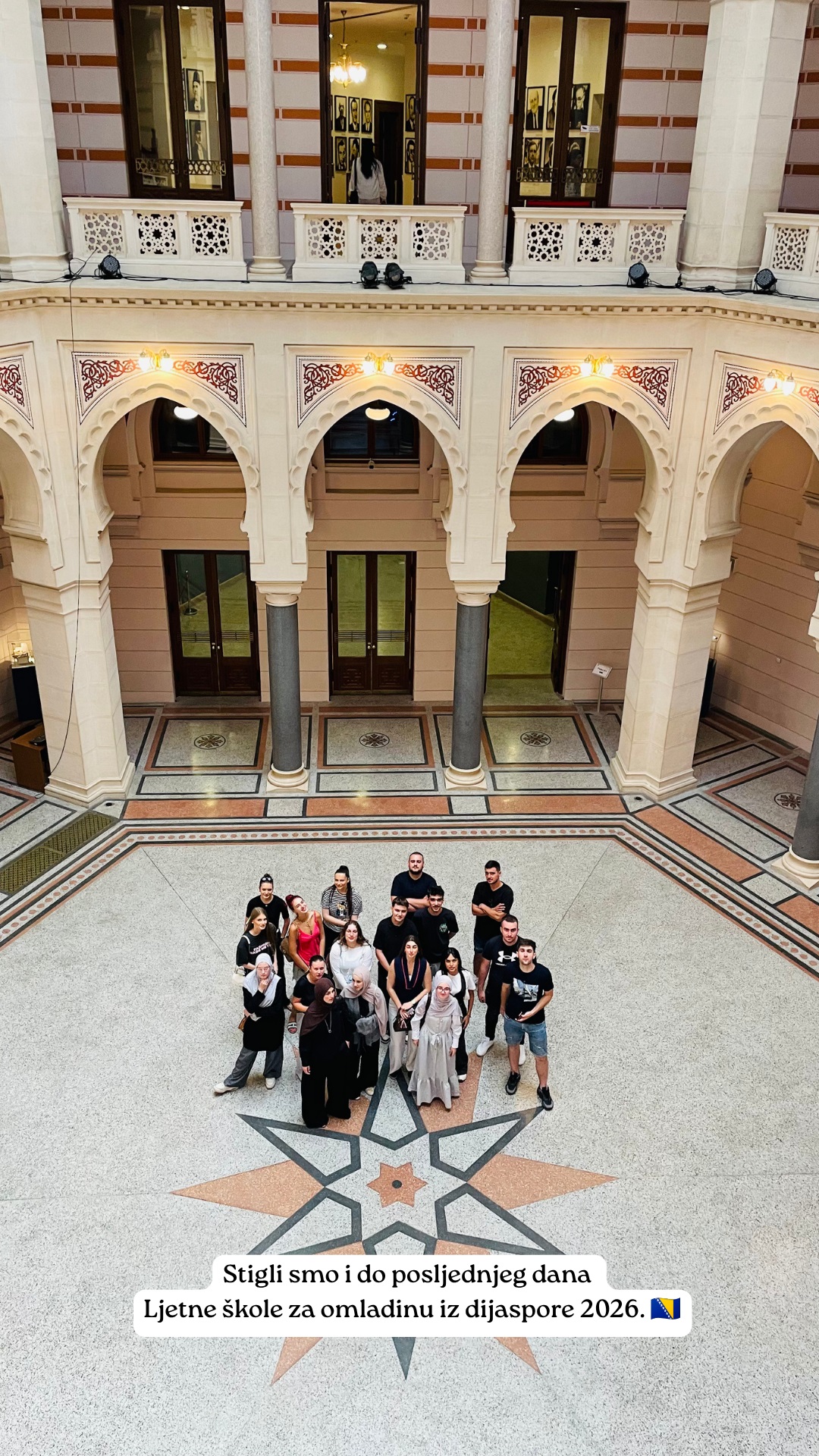
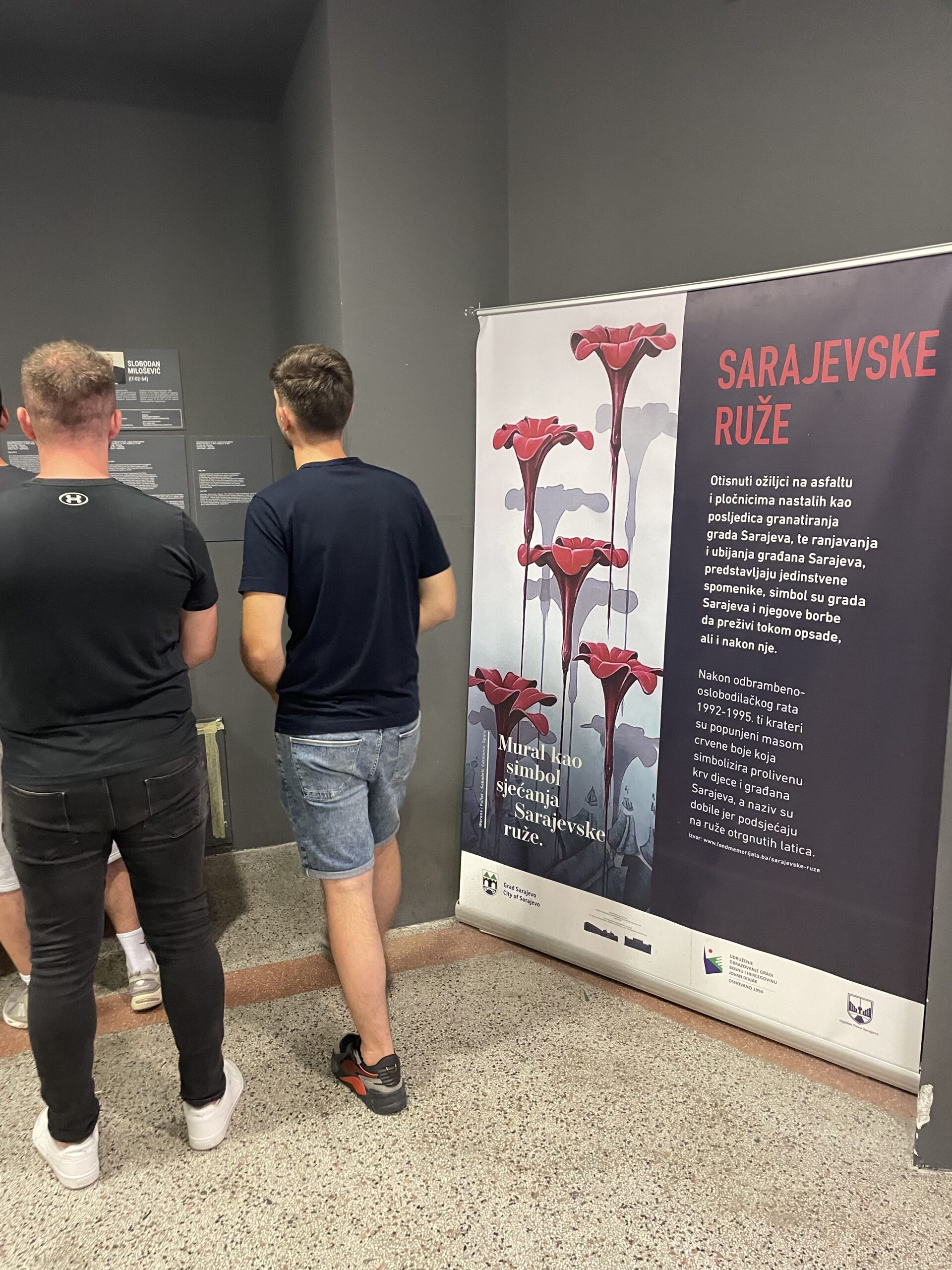
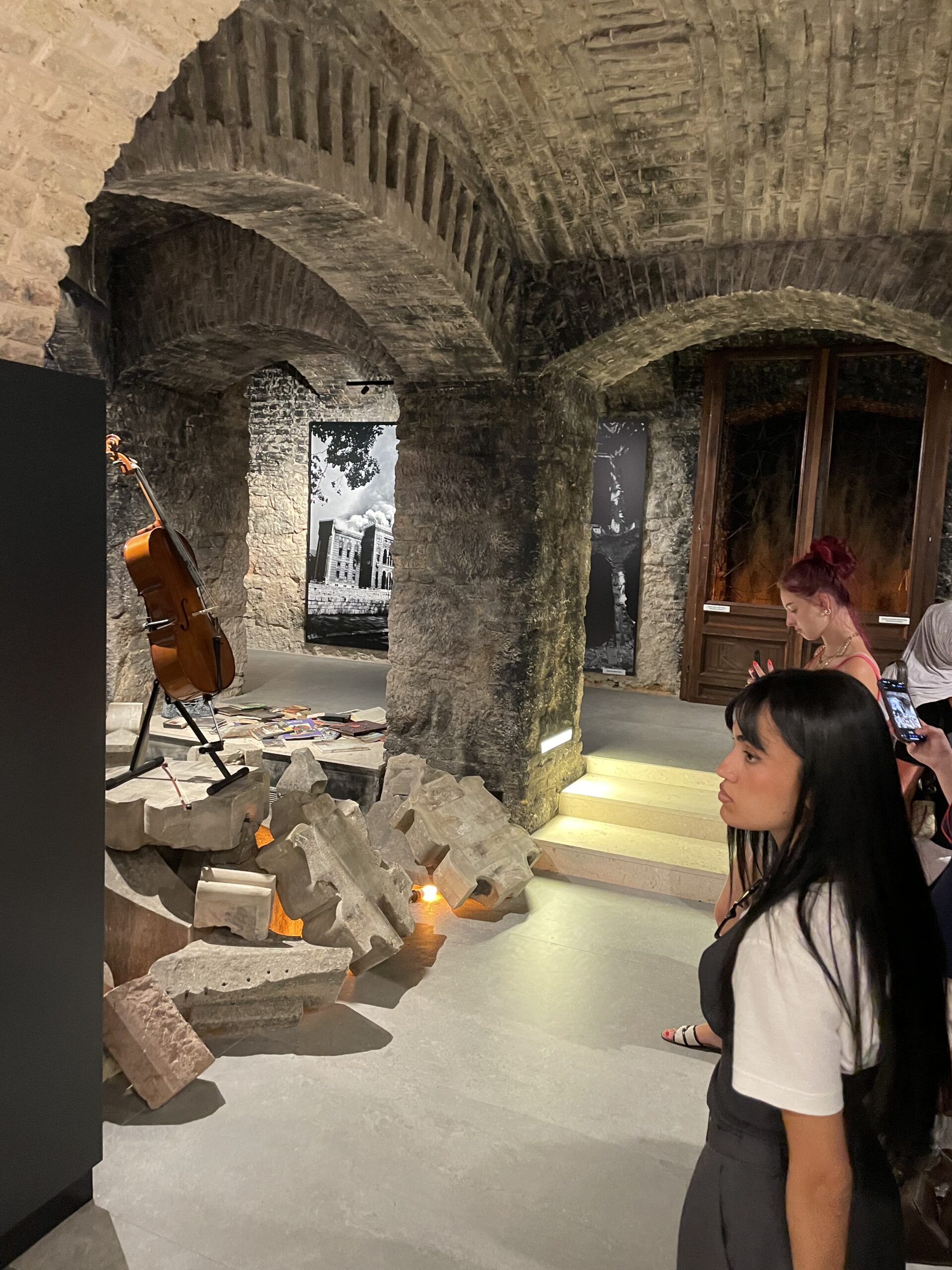
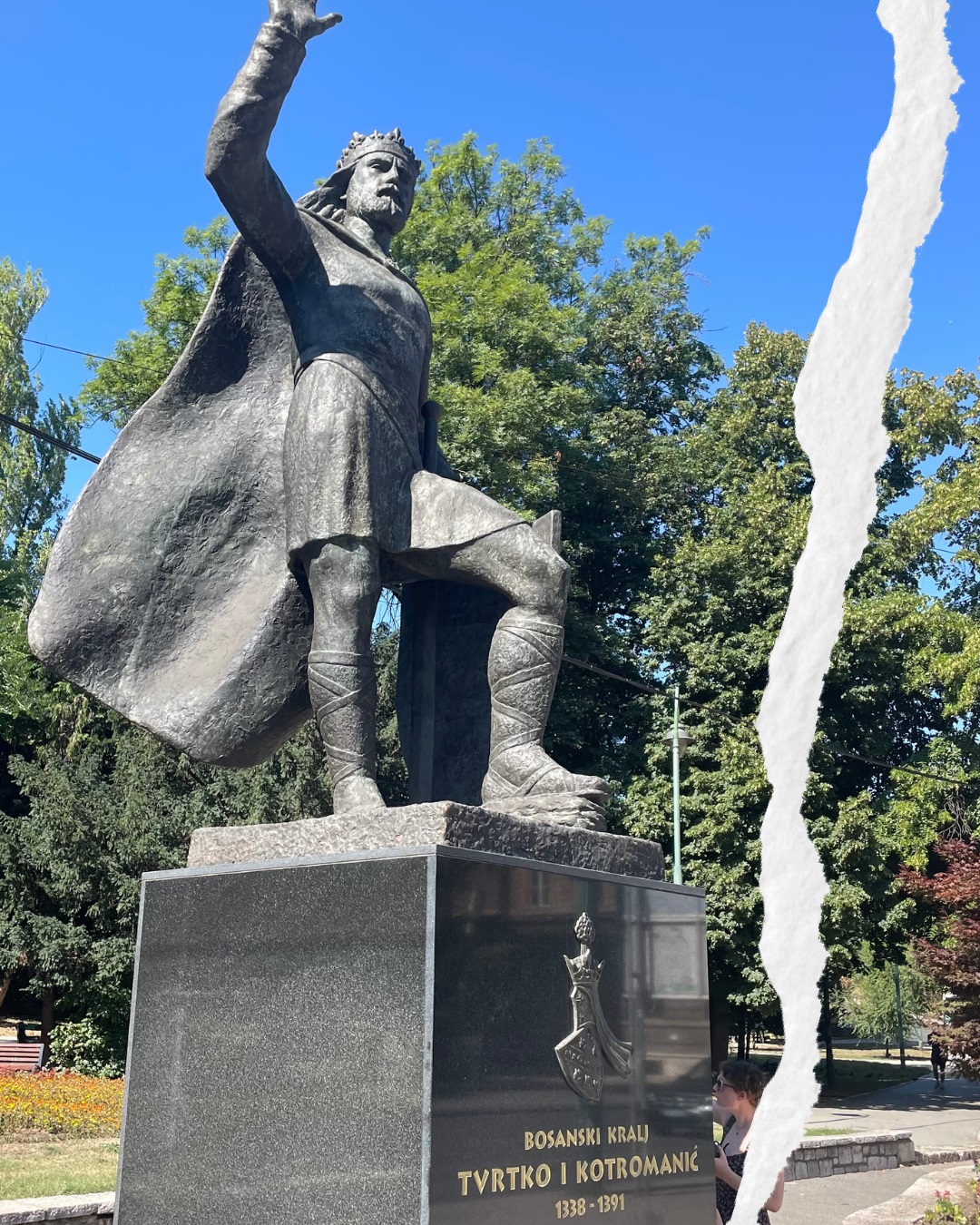
The final day of the 2026 Summer School for Youth from the Diaspora and the Region began with a visit to the City Hall, where the participants toured the City Hall Museum and learned about its history, from its destruction and burning to its reconstruction as one of Sarajevo’s most important symbols. As part of the visit, they also toured the archive and a replica of the courtroom of the Hague Tribunal.
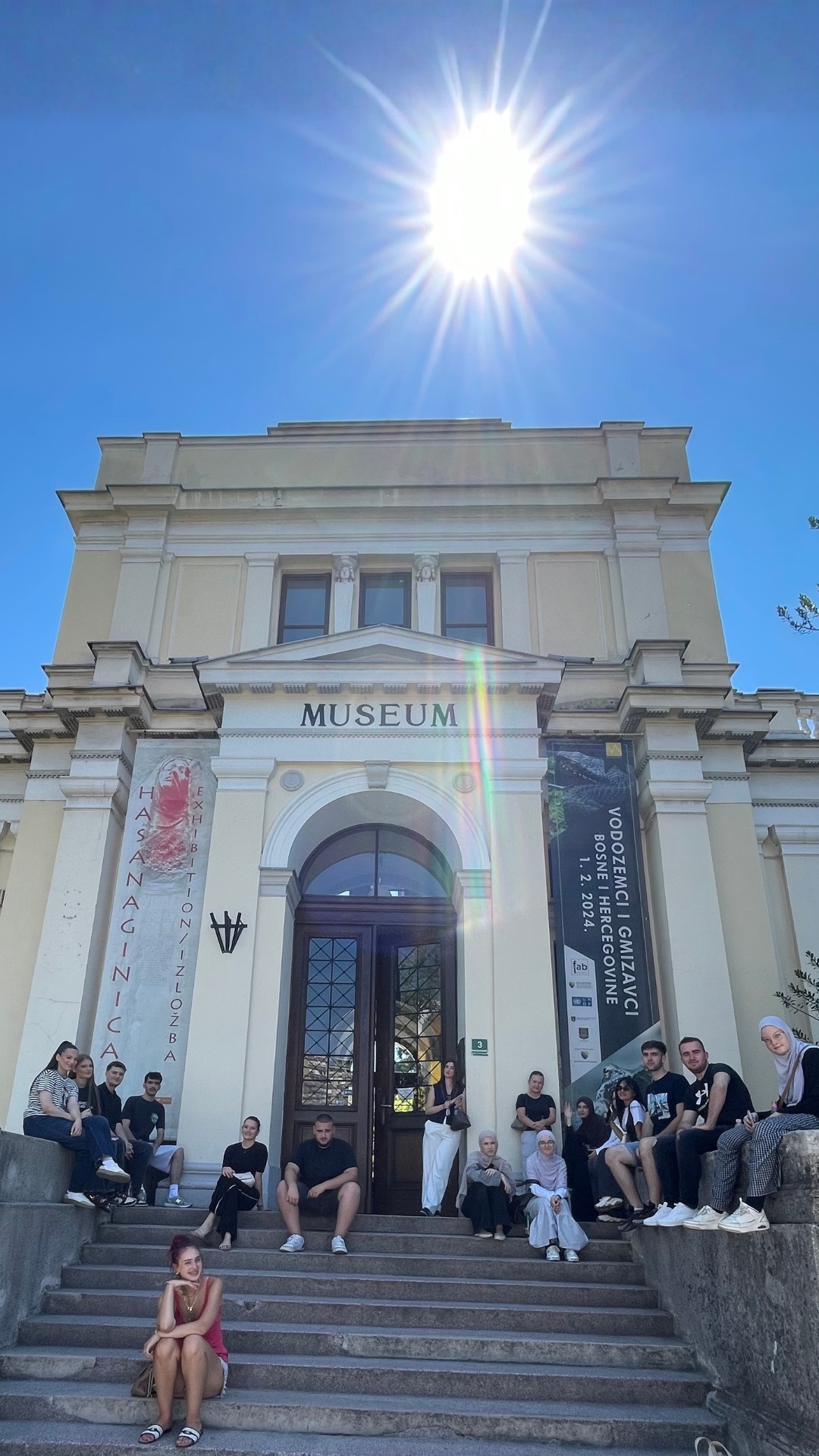
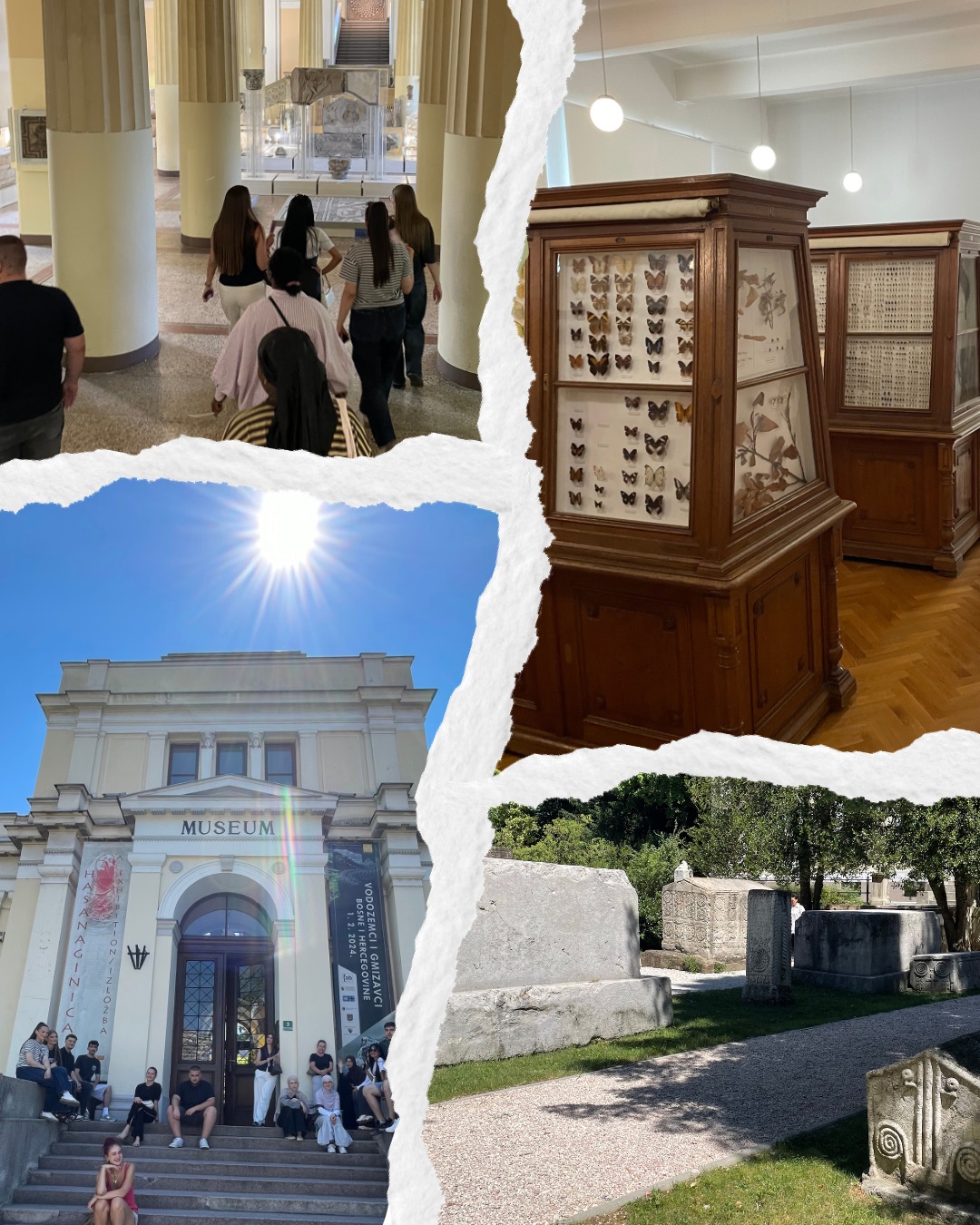
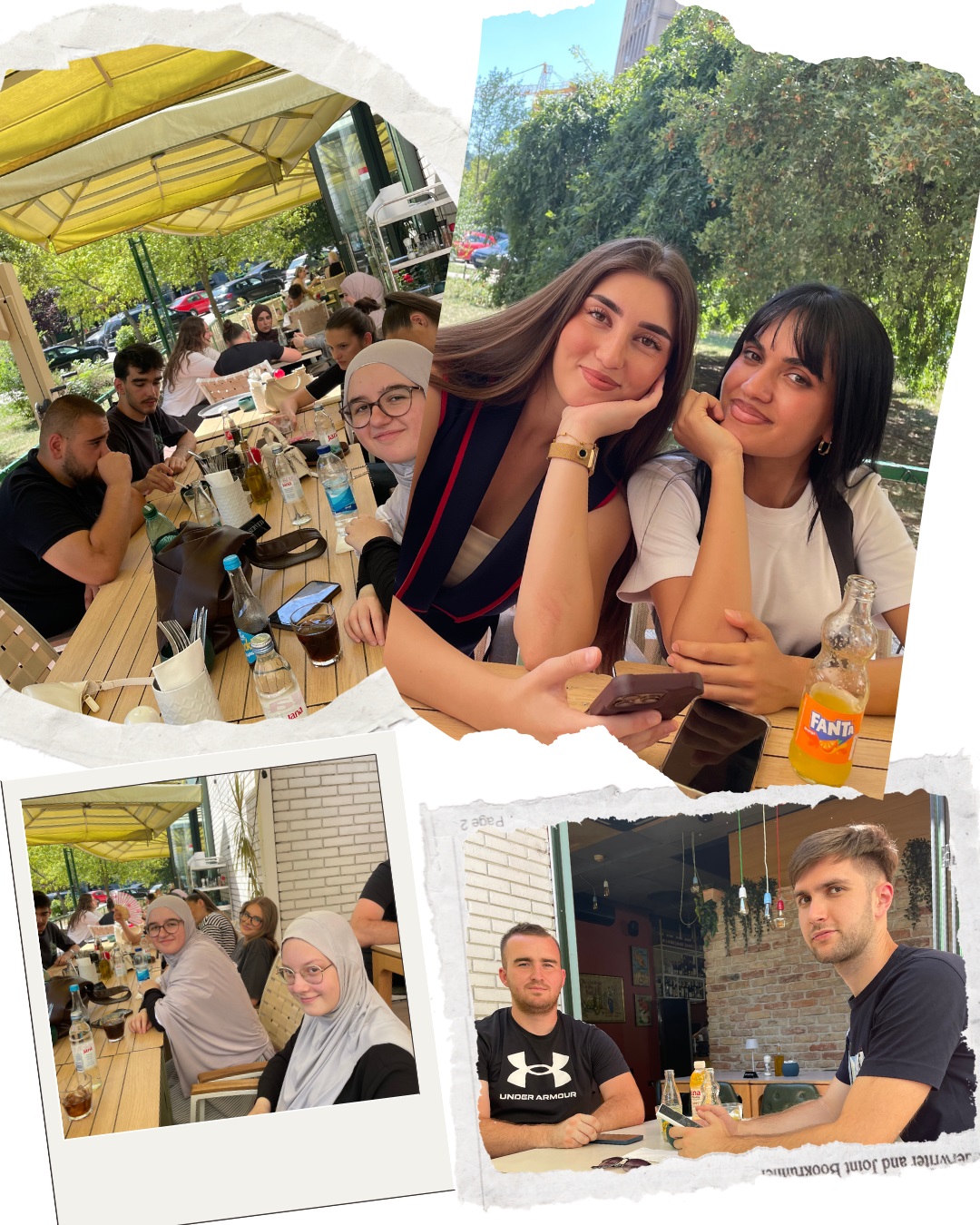
The program continued with a walk through Sarajevo and a visit to the National Museum of Bosnia and Herzegovina, followed by a shared lunch, socializing, and a review of impressions from this year’s Summer School.
At the farewell, the participants emphasized that this had been an exceptionally valuable experience for them — a week filled with new knowledge, learning about the history, culture, and riches of Bosnia and Herzegovina, but above all, creating friendships that, as they themselves said, they would continue to nurture after the program had ended.
We thank all the participants for being part of the 2026 Summer School. We believe that the experiences, acquaintances, and memories they take with them will remain a lasting connection with their homeland.
The project was implemented by the Alija Izetbegović Foundation in partnership with the “IN SANA” Association, with the support of the Riyasat of the Islamic Community in Bosnia and Herzegovina, the Student Center of the Islamic Community in Bosnia and Herzegovina, and the Office for the Diaspora of the Government of Sarajevo Canton.
We look forward to continuing this project next year!
ALIJA IZETBEGOVIĆ FOUNDATION
 |
 |